
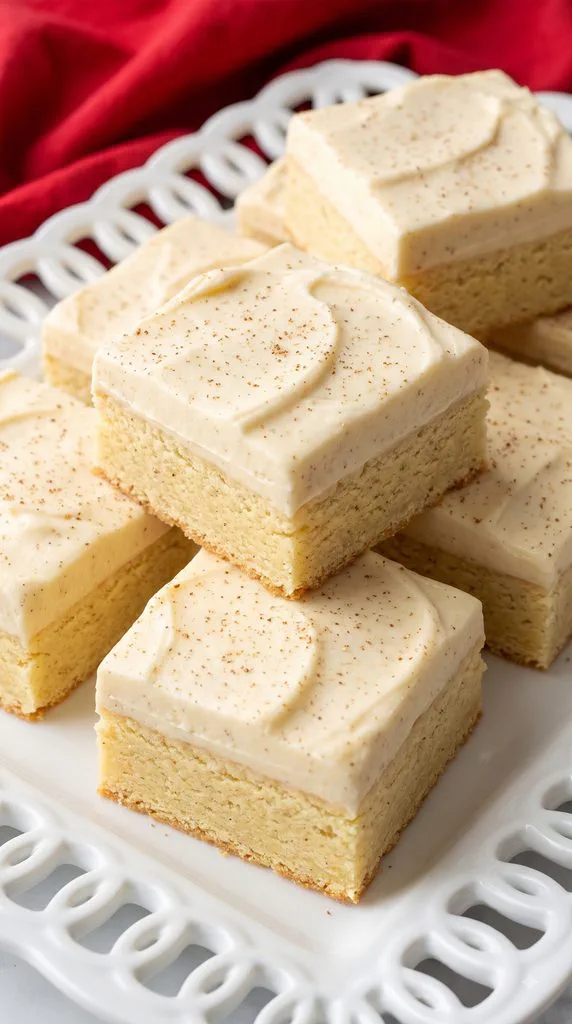
Eggnog Sugar Cookie Bars bring soft sugar cookies and creamy eggnog frosting together in one easy bake. Nutmeg gives the buttery base that cozy holiday flavor, and a thin layer of frosting makes each bite feel special. There is no rolling or cutting out dough. Just press it into a pan, bake, cool, and frost.
Why I Love This Recipe
These bars make holiday baking feel simple. The dough goes into one dish, and the frosting spreads over the whole batch at once. You still get tender cookie centers, lightly golden edges, and plenty of eggnog flavor.
- No dough chilling: The thick dough is ready to press straight into the dish.
- Eggnog in both layers: A little in the dough and frosting carries the flavor through each bite.
- Easy portions: Slice the cooled slab into bars for sharing or storing.
- Simple finish: Ivory frosting and a light dusting of nutmeg are all they need.
What You’ll Need
- Servings: 20 bars
- Prep Time: 25 minutes
- Cook Time: About 25 minutes
- Cooling and Chilling Time: About 1 hour 20 minutes
- Total Time: About 2 hours 10 minutes
- Oven Temperature: 350°F (175°C)
- Baking Dish: White 9×13-inch rectangular ceramic baking dish with built-in side handles
For the cookie base:
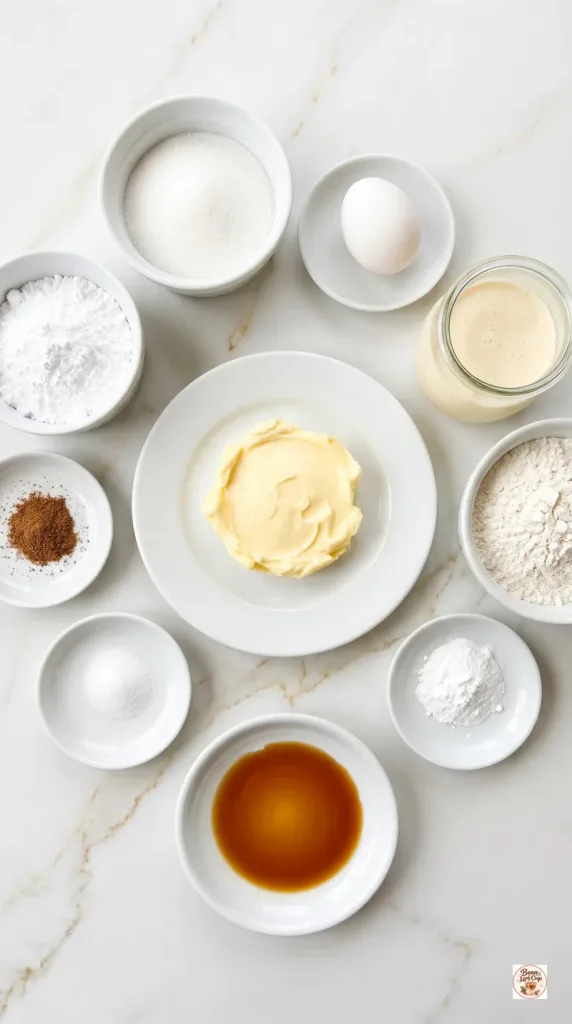
- 1 cup (226 g) unsalted butter, softened but not melted
- 1 cup (200 g) granulated sugar
- 1 large egg, at room temperature
- 1/4 cup (60 ml) thick, full-fat, nonalcoholic eggnog
- 1 teaspoon vanilla extract
- 3 cups (360 g) all-purpose flour, spooned and leveled
- 1/2 teaspoon baking powder
- 1/2 teaspoon fine salt
- 1/2 teaspoon ground nutmeg
For the frosting and finish:
- 1/2 cup (113 g) unsalted butter, softened
- 3 cups (360 g) powdered sugar, sifted
- 3 tablespoons (45 ml) thick, full-fat, nonalcoholic eggnog
- 1/2 teaspoon vanilla extract
- 1/8 teaspoon fine salt
- 1/8 teaspoon ground nutmeg, for dusting
Use thick dairy eggnog for the intended texture. Thin milk-style drinks can make the dough softer and the frosting looser. Bring the dough ingredients close to room temperature so they mix evenly.
Tools You Need
- White 9×13-inch rectangular ceramic baking dish with built-in side handles
- Parchment paper
- Electric hand mixer
- Large and medium mixing bowls
- Measuring cups and spoons or a kitchen scale
- Flexible spatula and offset spatula
- Cooling rack
- Sharp slicing knife
- Flat serving sheet and small flat server
How to Make Eggnog Sugar Cookie Bars
Start with soft butter and leave enough time for the base to cool fully before frosting.
Step 1: Prepare the Dish and Dry Ingredients
Heat the oven to 350°F (175°C) with a rack in the middle.
Line a white 9×13-inch rectangular ceramic baking dish with built-in side handles with parchment, leaving an overhang on the long sides. Crease the paper into the corners.
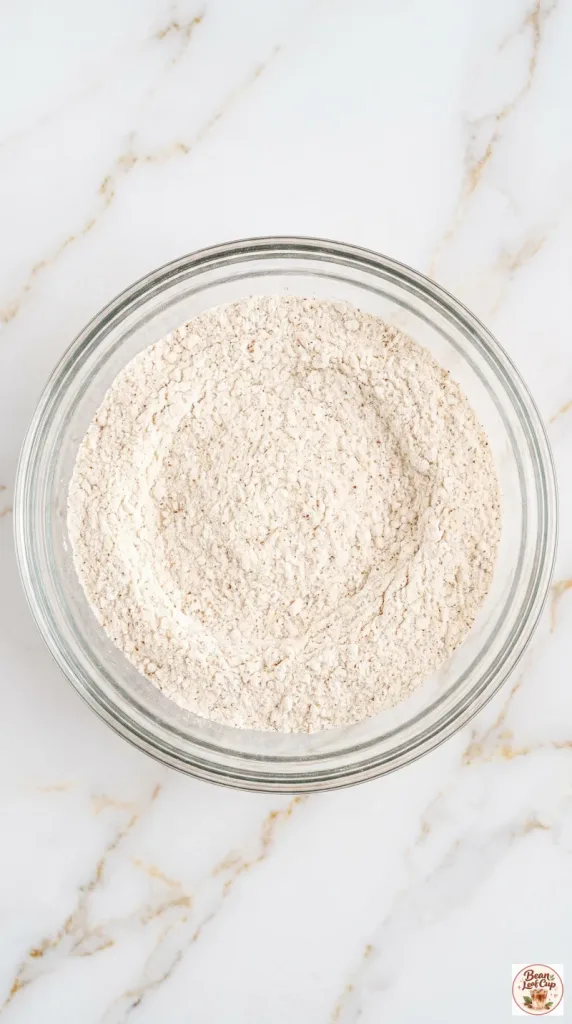
Whisk 3 cups (360 g) all-purpose flour, 1/2 teaspoon baking powder, 1/2 teaspoon fine salt, and 1/2 teaspoon ground nutmeg in a medium bowl.
Step 2: Cream the Butter and Sugar
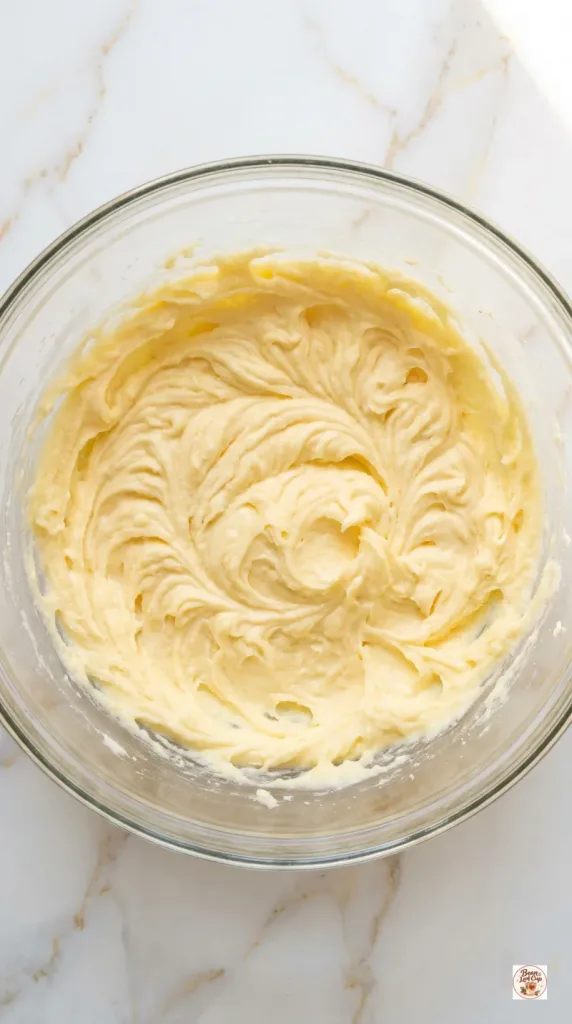
Beat 1 cup (226 g) softened unsalted butter and 1 cup (200 g) granulated sugar in a large bowl for 2–3 minutes, until pale and fluffy.
Scrape the sides and bottom of the bowl so no dense butter patches remain.
Step 3: Mix in the Eggnog
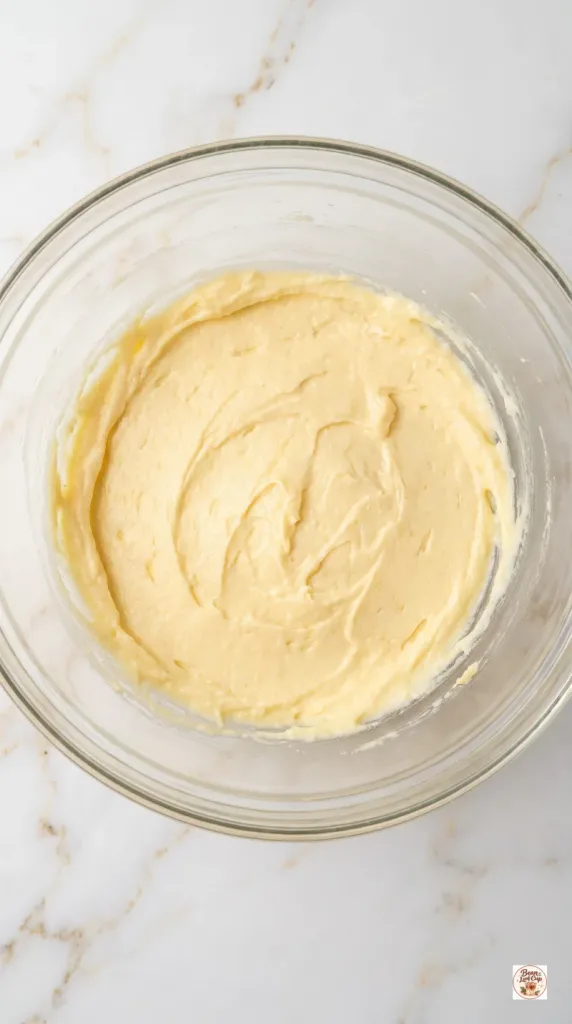
Beat in 1 large egg, 1/4 cup (60 ml) eggnog, and 1 teaspoon vanilla extract until combined, about 30–45 seconds.
Scrape the bowl again. A slightly curdled look is fine; the flour will bring the dough together.
Step 4: Finish and Press the Dough
Add the dry mixture from Step 1 to the wet mixture on low speed. Stop as soon as the flour disappears, then fold any loose crumbs together with a spatula.
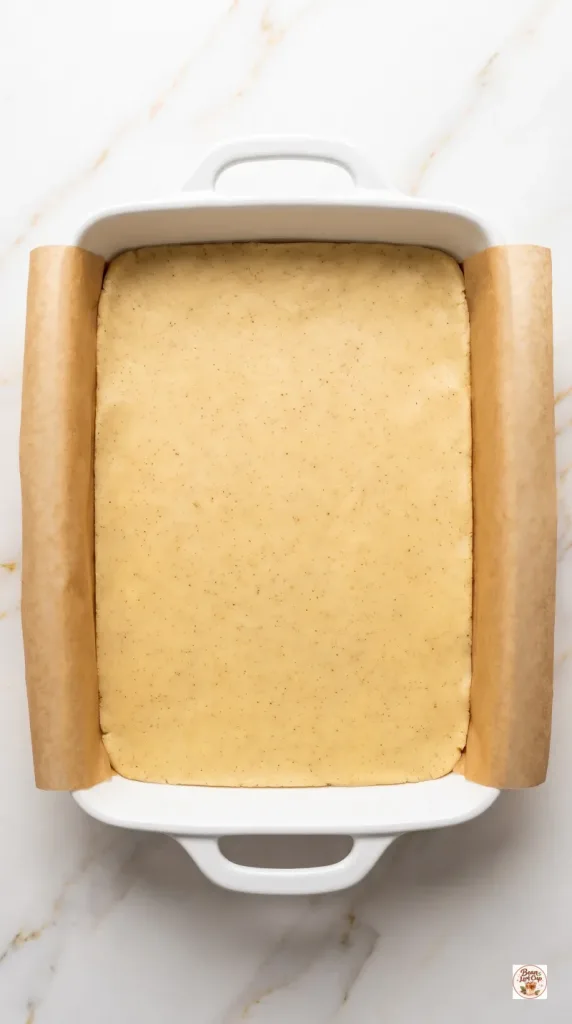
The dough should be thick, soft, and easy to press, not pourable.
Press all the dough evenly into the parchment-lined dish, reaching into the corners. Smooth the top with the back of a spatula without packing it down hard.
Step 5: Bake and Cool
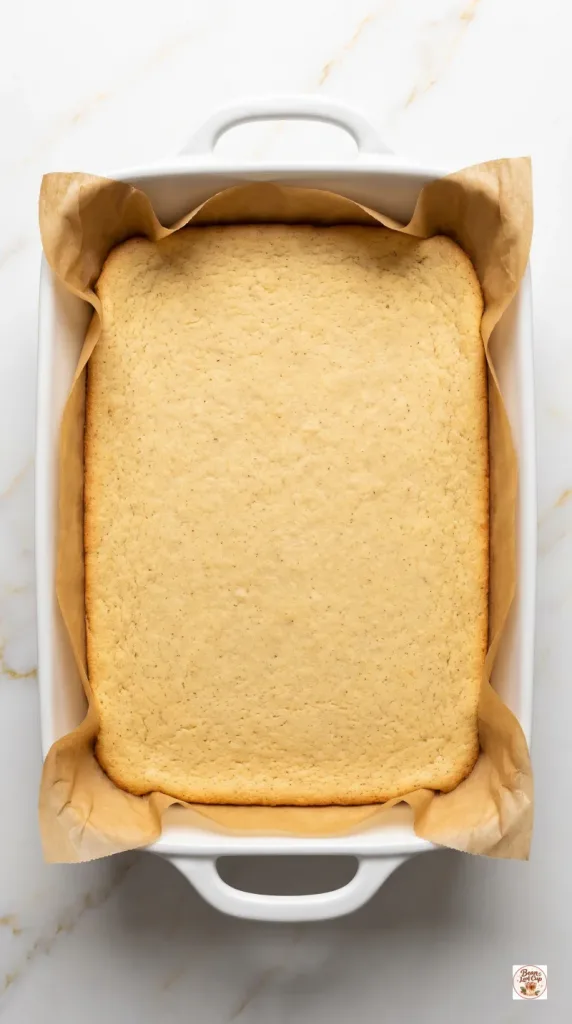
Bake for 22–26 minutes, checking at 22 minutes. The edges should be light golden, and the middle should look set and matte, with no wet dough on a tester; a few moist crumbs are fine.
Do not wait for the whole top to brown. That can make the bars dry.
Cool the base completely in the dish on a rack, about 1 hour. Allow more time if the dish still feels warm underneath.
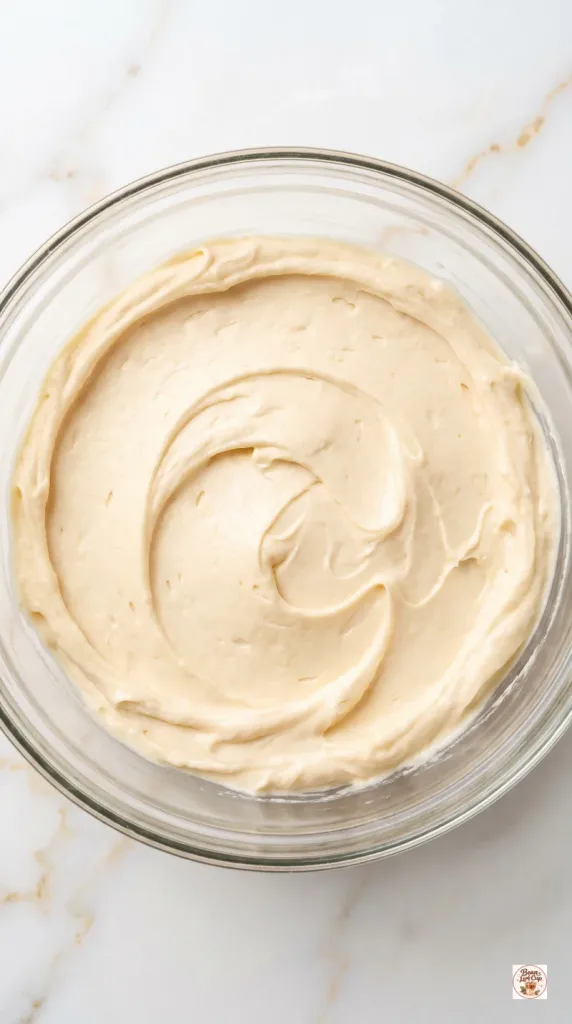
Step 6: Make the Eggnog Buttercream
Beat 1/2 cup (113 g) softened unsalted butter until smooth, about 1 minute.
Add 3 cups (360 g) sifted powdered sugar in batches on low speed, alternating with 3 tablespoons (45 ml) eggnog.
Add 1/2 teaspoon vanilla extract and 1/8 teaspoon fine salt, then beat for 2 minutes, until creamy, fluffy, and spreadable.
If the frosting feels too soft, chill it for 10 minutes and beat briefly again. It should hold a soft ridge rather than run off a spatula.
Step 7: Frost and Finish
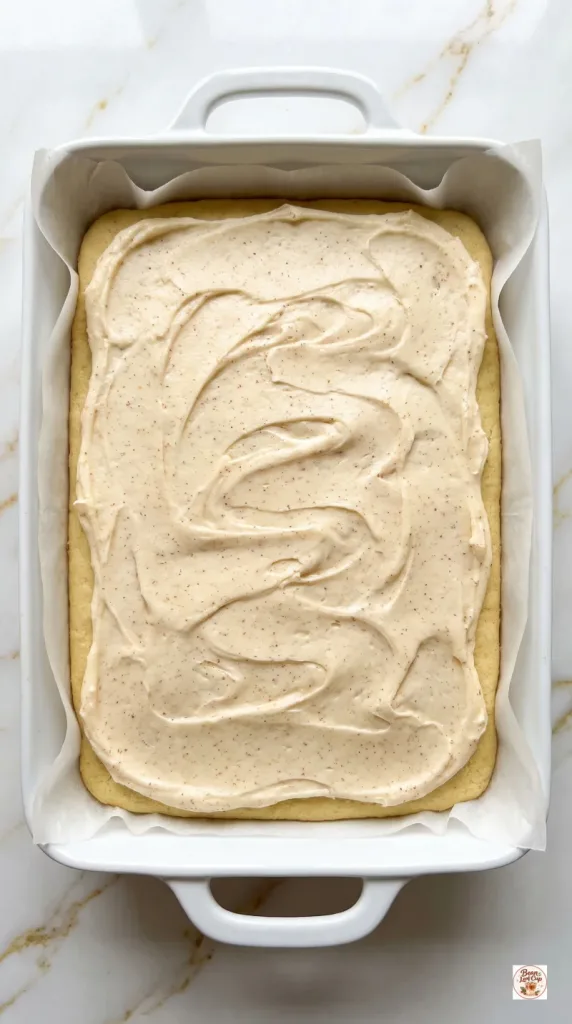
Check that the cookie base is completely cool before adding the frosting.
Spread all the buttercream over the base in a thinner, even layer, leaving soft swirls on top.
Dust the surface lightly with 1/8 teaspoon ground nutmeg. Chill for 20 minutes to firm the frosting for slicing.
Step 8: Slice and Serve
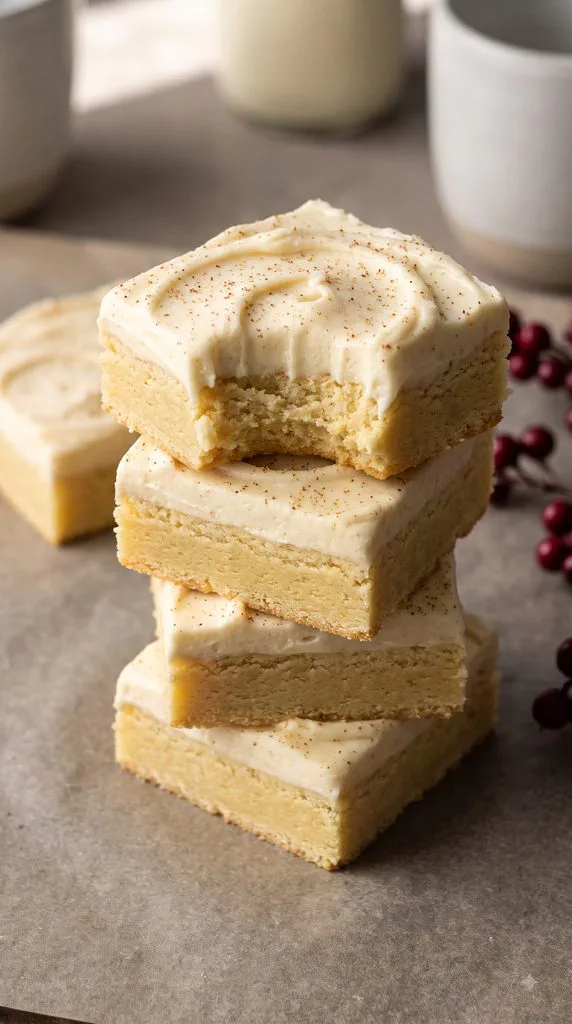
Lift the cooled slab from the dish using the parchment overhang, then remove the parchment.
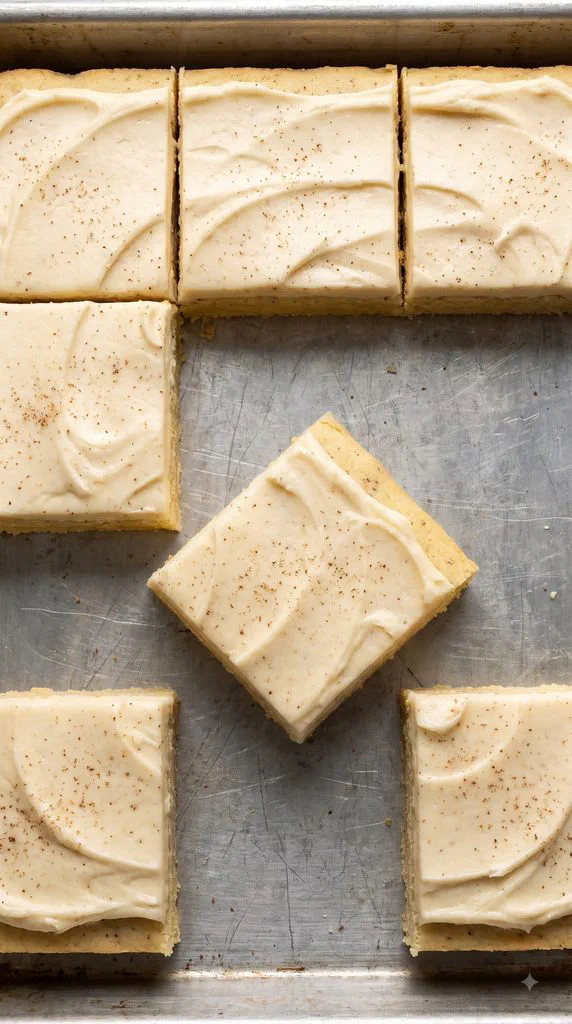
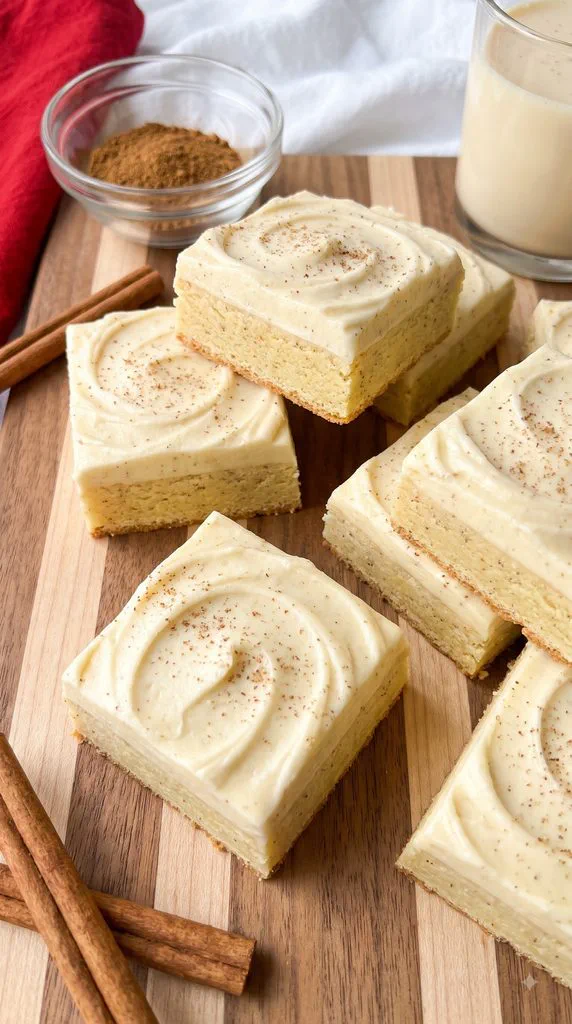
Cut into 20 nearly square bars, making 4 rows by 5 columns. Wipe the blade clean between cuts so the frosting stays neat.
Transfer the bars to a flat serving sheet in a single layer and serve them on their own. Let chilled bars stand for 10–15 minutes if you prefer softer frosting.
Why This Recipe Works (Quick Science)
Creaming butter with sugar traps small pockets of air. The egg helps the dough hold together, while a little baking powder gives it a gentle lift. Eggnog adds dairy richness and moisture without turning this thick cookie dough into a cake batter.
Mixing only until the flour disappears limits gluten development, which helps keep the bars tender. Taking them out when the center is set protects that soft texture. Cooling matters just as much: a warm base melts the butter in the frosting, so wait until the dish and cookie slab have cooled completely.
Common Mistakes to Avoid
- Scooping flour straight from the bag: Packed flour makes dry dough. Weigh it or spoon it gently into the cup and level it.
- Using melted butter: Softened butter holds air during creaming; melted butter behaves differently.
- Overmixing after adding flour: Stop when the dough comes together.
- Waiting for a dark top: Light-golden edges and a set middle are better cues.
- Frosting too soon: Even a little warmth can melt the buttercream.
- Dusting heavily with nutmeg: A little gives warmth; a thick coat can taste bitter.
Make-Ahead and Storage
Bake the unfrosted base a day ahead. Once completely cool, cover it tightly and keep it at room temperature until frosting.
Store frosted bars in a covered container in the refrigerator for up to 4 days. Keep them in a single layer while the frosting is soft. Let individual bars soften briefly before serving.
For longer storage, freeze unfrosted bars tightly wrapped for up to 2 months. Thaw them while wrapped, then frost once fully thawed. Frosted bars can also be frozen in a single layer before being packed with parchment between them; allow up to 1 month for best texture.
Substitutions and Variations
- Vanilla flavor: This version uses vanilla rather than rum extract for a gentle, familiar finish.
- Fresh nutmeg: Finely grate it and use the same measured amounts. Keep the finishing dusting light.
- Smaller portions: Cut the slab into 24 smaller bars. Baking time stays the same, but the nutrition per piece will be lower.
Avoid swapping thin plant-based nog directly into this formula. Its fat content and thickness can differ enough to change both the dough and frosting.
Macros Information
Estimated per bar, based on 20 bars with all the frosting and nutmeg:
- Calories: 310
- Protein: 3 g
- Carbohydrates: 43 g
- Fat: 14 g
- Saturated Fat: 9 g
- Fiber: 0.5 g
- Sugar: 29 g
- Sodium: 105 mg
These numbers are estimates and will vary with the eggnog and other ingredients used.
Frequently Asked Questions (FAQ)
Q: Can I taste the eggnog in these bars?
A: Yes. Using it in both the dough and frosting gives a gentle eggnog flavor, and nutmeg helps bring it forward.
Q: Does the dough need to chill before baking?
A: No. It is pressed straight into the prepared dish. The short chill comes after frosting to make slicing easier.
Q: Why is the dough so thick?
A: It is cookie dough, so it should hold its shape. It should still press together easily. Dry crumbs that will not hold together usually mean too much flour or butter that was too cold.
Q: How do I know the middle is baked?
A: Look for a set, matte center and light-golden edges. A tester should show a few moist crumbs, with no wet dough.
Q: Can I use homemade eggnog?
A: Use a thick, fully cooked, cooled, nonalcoholic version with a texture close to store-bought dairy eggnog. A thin homemade version can change the recipe.
Q: Why did my frosting slide off?
A: The base may have been warm, or the buttercream may have been too soft. Cool the base completely and chill loose buttercream briefly before spreading.
Q: Can I leave off the frosting?
A: Yes, the cookie base can be served plain. The finished bars will be less sweet and have a milder eggnog flavor.
Q: Do I need food coloring or sprinkles?
A: No. The frosting is naturally ivory, and a fine dusting of nutmeg gives it a simple finish.
Q: Can I double the recipe?
A: Use two separate dishes of the same size. A deeper batch in one dish changes the baking time and can leave an underbaked center.
Final Thoughts
Eggnog Sugar Cookie Bars are a simple way to bring that cozy holiday flavor to the dessert table. Keep the base tender, let it cool, and finish with creamy frosting and a little nutmeg. Leave a comment and share how your batch turned out. Happy cooking!