
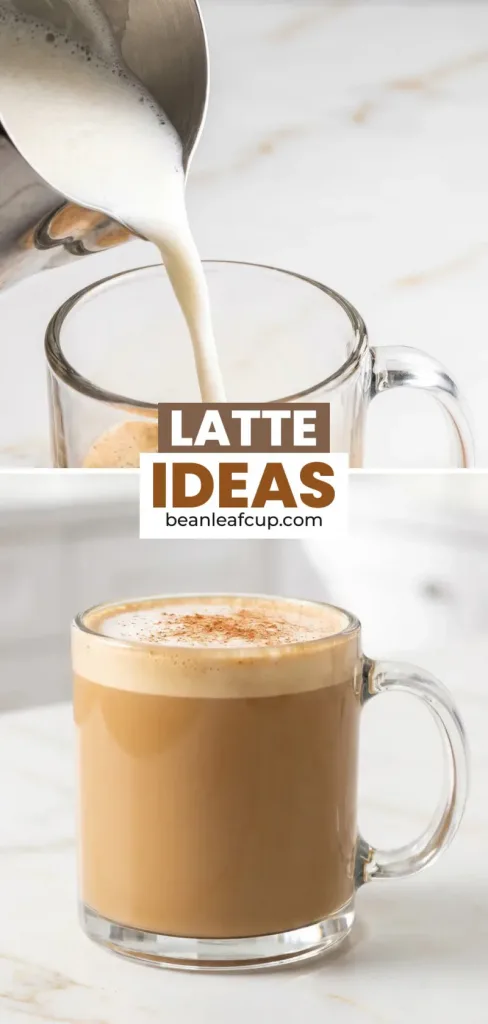
These Latte Ideas start with a simple espresso-and-milk base.
Make the classic version first, then change the flavor with vanilla, maple, chocolate, or a small spoonful of another sweetener.
Each option below includes an amount for a single drink.
You can try a new flavor without changing the whole method.
Why I Love This Recipe
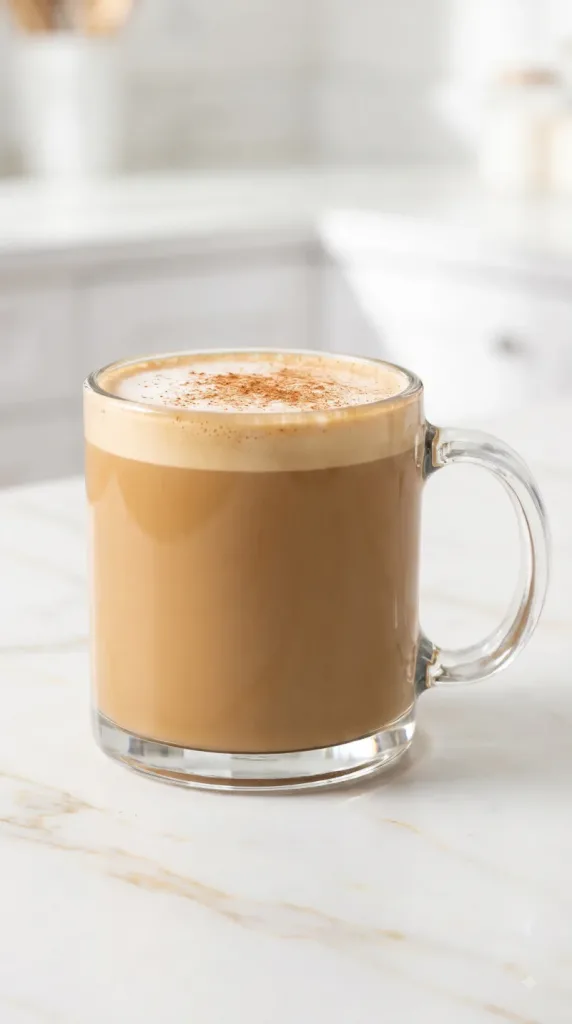
A reliable base makes latte flavors easier to balance. Espresso brings the coffee taste, milk softens it, and a modest syrup amount adds flavor without hiding everything else. The cinnamon-topped base also tastes good on its own.
- Useful base: The same milk and espresso ratio supports several flavors.
- Measured swaps: Start with a clear amount instead of guessing.
- Small batches: Make a single mug at a time.
- Simple tools: A handheld frother can finish the milk.
What You’ll Need
- Servings: 1 base latte
- Prep Time: 4 minutes
- Cook Time: 3 minutes
- Total Time: 7 minutes
- Serving Mug: 12-ounce heat-safe cylindrical glass mug
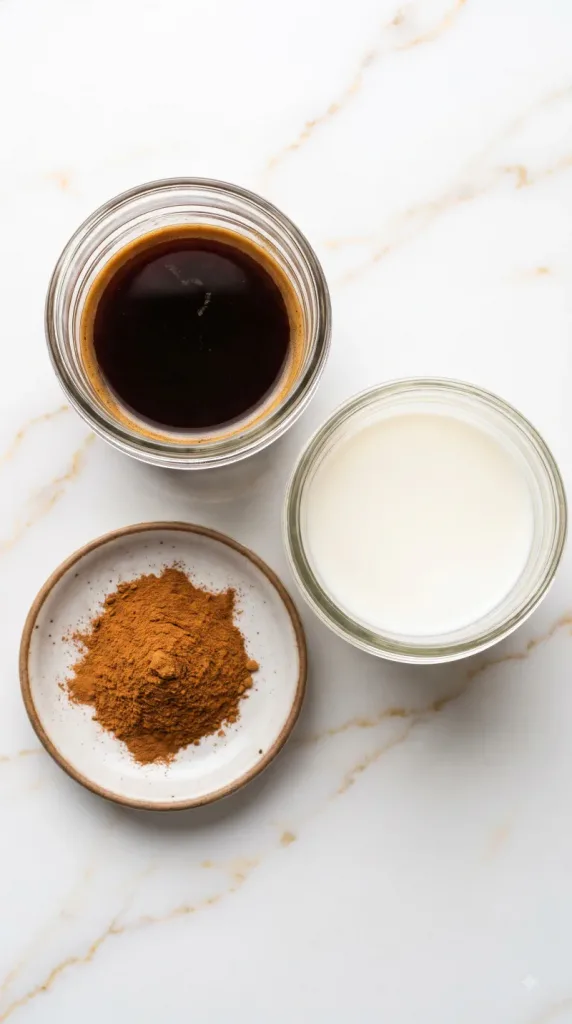
- 2 fluid ounces espresso
- 3/4 cup whole milk
- 1/32 teaspoon ground cinnamon, for garnish
Tools You Need
- Espresso machine
- Heat-safe espresso cup
- Small saucepan
- Handheld milk frother
- Liquid measuring cup
- Measuring spoon
- Spoon
- 12-ounce heat-safe glass mug
How to Make Latte Ideas
Make this base as written. To change the flavor, choose a measured variation below.
Step 1: Brew the Coffee
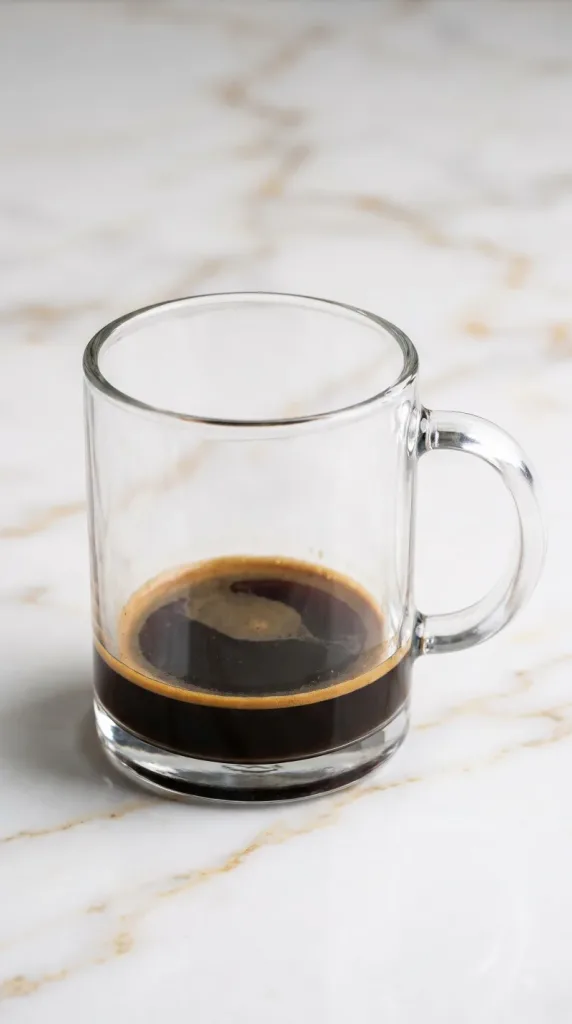
Brew 2 fluid ounces espresso into a 12-ounce heat-safe mug.
For a flavored latte, mix in your chosen measured addition from the variations section now.
Step 2: Heat the Milk
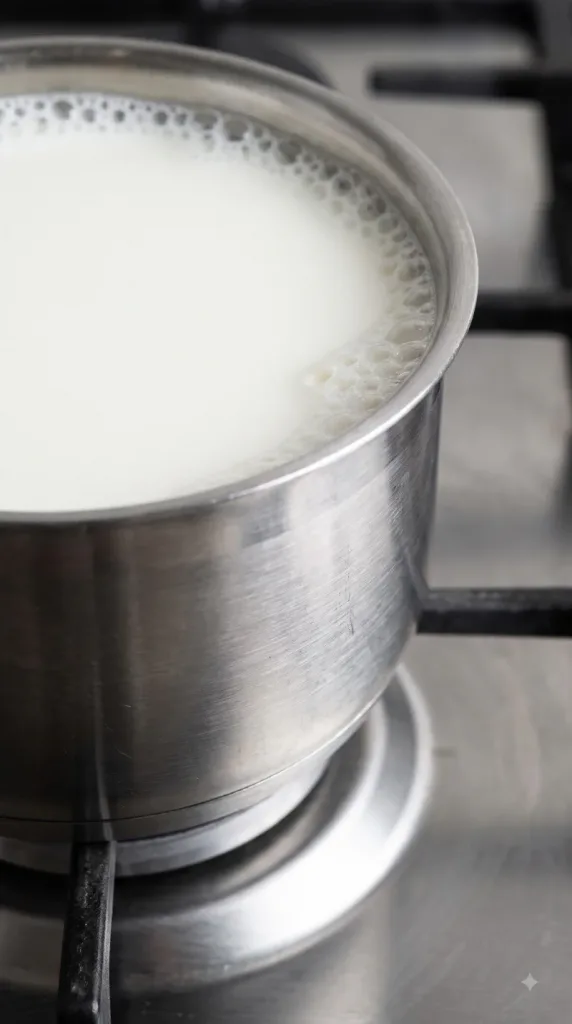
Pour 3/4 cup whole milk into a small saucepan.
Heat over medium-low heat for about 3 minutes, until it reaches 140–150°F (60–65°C).
Remove the pan from the heat. Do not let the milk boil.
Step 3: Froth and Pour
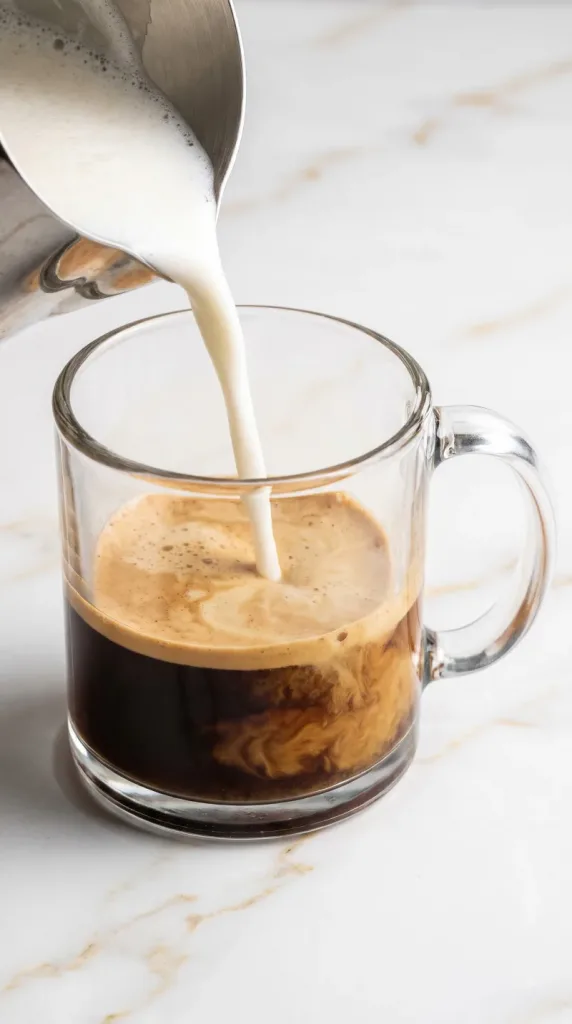
Froth the 3/4 cup heated milk for 15–20 seconds, keeping the frother tip just below the surface.
Pour the frothed milk into the 2 fluid ounces espresso, leaving a thin foam cap on top.
Step 4: Finish the Latte
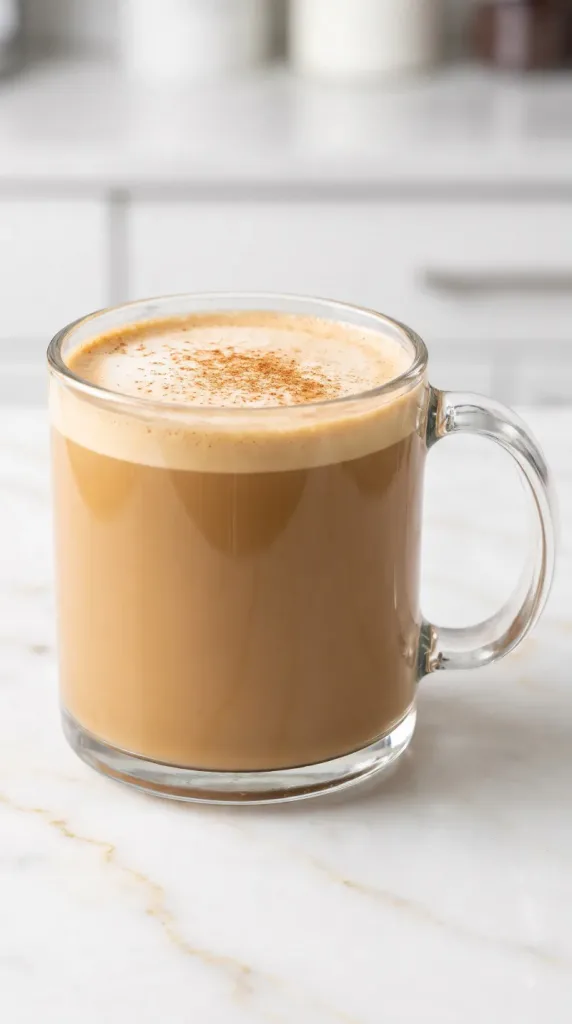
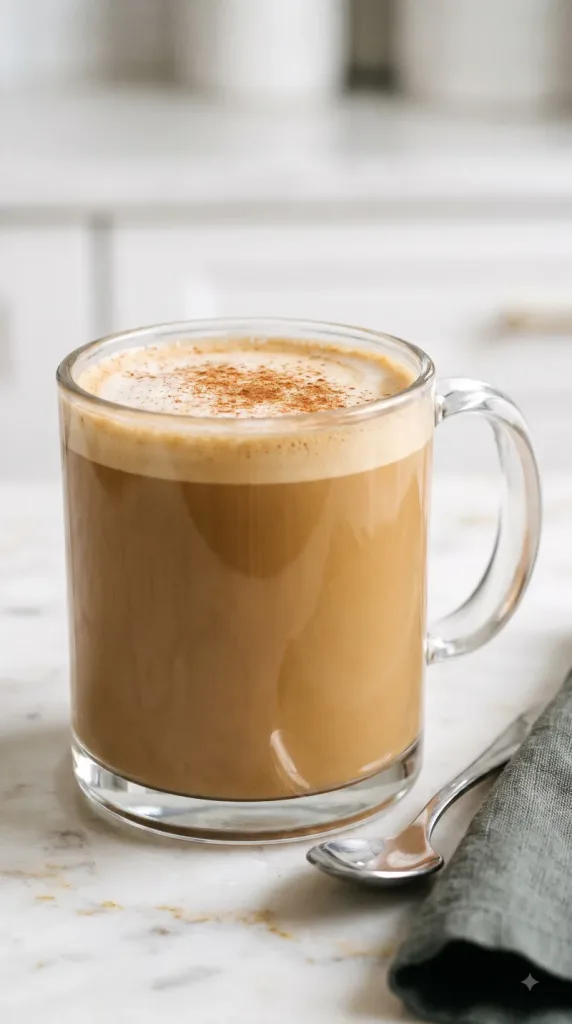
Dust the foam with 1/32 teaspoon ground cinnamon.
Serve while the milk foam still looks smooth.
Why This Recipe Works (Quick Science)
Frothing adds air to milk. Milk proteins help hold those small bubbles, creating a light cap that blends with espresso. Gentle heat keeps the milk flavor mild. Mix any syrup into the espresso first so it spreads through the milk instead of collecting at the bottom.
Common Mistakes to Avoid
- Adding every flavor at once: Choose a variation so the coffee stays clear.
- Boiling the milk: Too much heat can give it a cooked taste.
- Making stiff foam: A latte needs a thin, pourable foam cap.
- Using dry cocoa alone: A paste prevents dry clumps.
Latte Ideas to Try
Each variation makes one drink using the base above. Keep the 2 fluid ounces espresso, 3/4 cup milk, and 1/32 teaspoon cinnamon. Add only the ingredients listed for your chosen flavor before pouring in the milk. Nutrition below covers the base only.
Vanilla Latte: Stir 2 teaspoons vanilla syrup into the espresso. Use syrup, rather than the same amount of extract, for a mild flavor.
Maple Latte: Stir 2 teaspoons pure maple syrup into the espresso until it dissolves. Cinnamon suits the maple flavor well.
Mocha Latte: Mix 1 teaspoon unsweetened cocoa powder, 2 teaspoons granulated sugar, and 1 tablespoon of the measured espresso into a smooth paste. Stir in the remaining 3 tablespoons espresso, then add the milk.
Caramel Latte: Stir 2 teaspoons pourable caramel sauce into the espresso until smooth. Keep the cinnamon finish and skip an extra drizzle.
Honey Latte: Stir 2 teaspoons mild honey into the espresso until no sticky honey remains at the bottom. Use the milk and foam from the base recipe.
Brown Sugar Latte: Stir 2 teaspoons packed brown sugar into the espresso until the grains dissolve. Then pour in the milk and add the cinnamon finish.
Milk Swaps and Prep Tips
Use 3/4 cup barista-style oat milk in place of whole milk for a dairy-free base. Flavored syrups and sauces may contain dairy, so read their labels if needed. Choose decaf espresso for a lower-caffeine version.
Make each latte fresh. Measure the optional flavor before heating the milk so you can finish the drink while the foam remains pourable.
The cinnamon garnish follows the coffee-and-spice pairing used in [Nespresso spiced latte recipes](https://www.nespresso.com/static/us/solutions/b2b/documents/NESP_POD_RecipeBookPDF_Digital_031524_v2.pdf). The variations here use separate, measured additions.
What to Serve With Latte Ideas
Serve a mug with a slice of toast, a plain scone, or a small oatmeal cookie. Choose a less sweet snack when you make a syrup-flavored version.
Macros Information
Estimated per serving, using the whole-milk base only, without flavor additions. Brands and substitutions change these values.
- Calories: 120
- Protein: 6 g
- Carbohydrates: 10 g
- Fat: 6 g
- Saturated Fat: 3.5 g
- Fiber: 0 g
- Sugar: 9 g
- Sodium: 80 mg
Frequently Asked Questions (FAQ)
Q: Which flavor should I try first?
A: Vanilla and maple are simple starting points because they mix into espresso easily.
Q: Can I use two flavor additions?
A: Yes, but start with half of each listed amount and taste before adding more.
Q: Do I need an espresso machine?
A: You can use 1/4 cup strong moka pot coffee. The flavor and strength will differ.
Q: Can I use cold milk?
A: These base instructions make a heated latte. For an iced version, skip heating and frothing and use a larger glass with ice.
Q: Which milk froths best?
A: Whole milk makes a creamy foam. Barista-style oat milk is a useful dairy-free option.
Q: Can I leave out the sweetener?
A: Yes. The base latte contains no added sugar.
Q: Why does cocoa clump?
A: Dry cocoa resists wetting. Make the small espresso paste before adding the rest of the liquid.
Q: Does the nutrition include the variations?
A: No. The listed estimates cover espresso, whole milk, and cinnamon only.
Final Thoughts
Start with the plain base, then try a flavor that fits your mood. Leave a comment with the latte idea you chose and how much sweetness you prefer.
Happy sipping!