
This is one of those easy freezer treats that feels way more special than the effort it takes.
You get that cookie dough vibe, a chocolate top, and a cool, creamy bite straight from the freezer.
It’s sweet, satisfying, and packed with more protein than your usual dessert bark.
I worked from the same core method and ingredient flow as the inspiration recipe here, with the cottage cheese blended smooth, mixed into a cookie-dough-style base, spread in a pan, topped with melted chocolate, and frozen until firm.
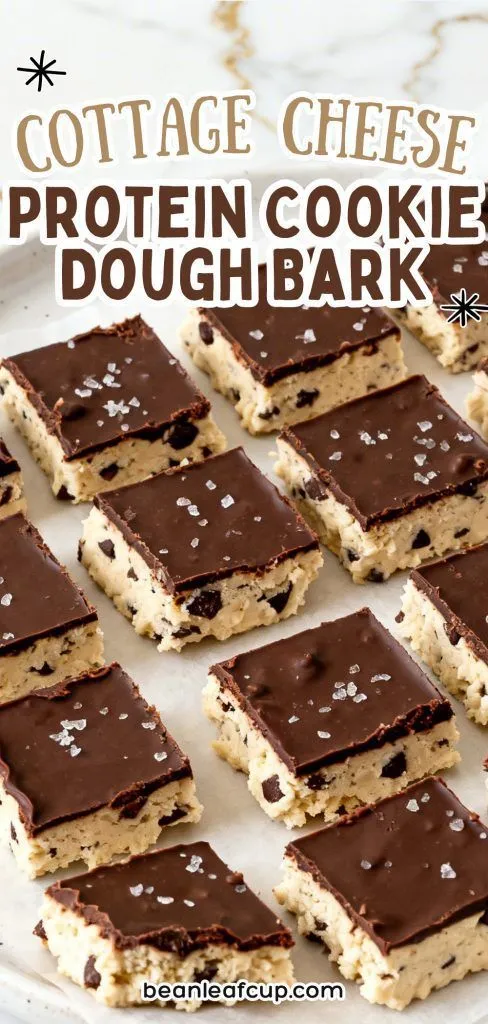
Why I Love This Recipe
I love recipes like this because they solve that “I want dessert, but I also want something that feels good to eat” problem. The first time I made a cottage cheese dessert, I was not fully convinced. I thought it might taste too tangy or too healthy. But once the cottage cheese gets blended with peanut butter, maple syrup, and vanilla, it turns into something smooth, rich, and surprisingly cookie-dough-like. Then you add almond flour, protein powder, and mini chocolate chips, and suddenly it feels like a freezer treat you’d actually crave.
What really sold me was how easy it is. No oven. No stovetop. No fancy steps. Just blend, mix, spread, top, and freeze. It’s the kind of recipe that makes you feel like you’ve got a secret stash of something delicious waiting in the freezer.
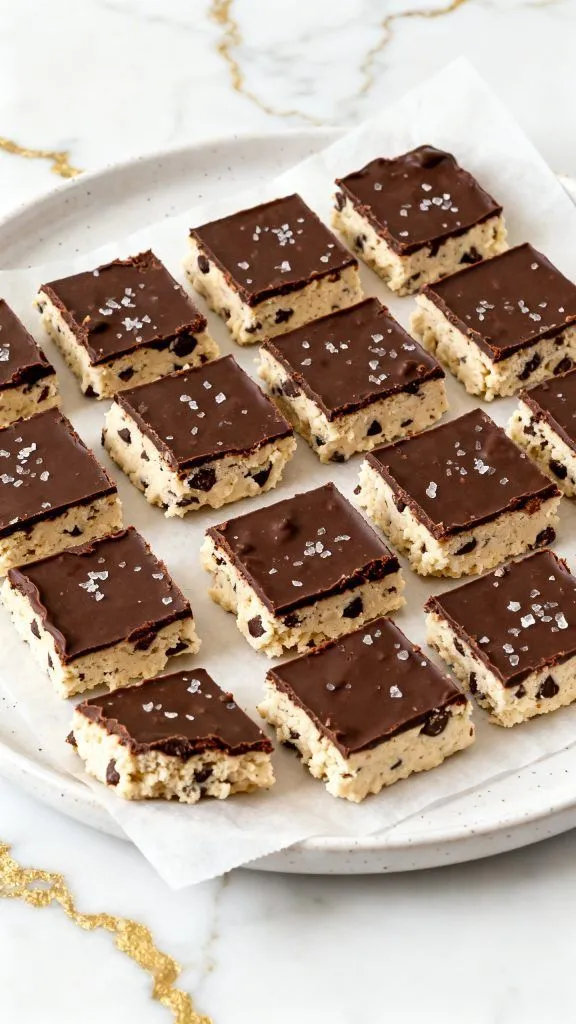
- It tastes like cookie dough crossed with a chocolate bar
- It’s no-bake, simple, and fast to put together
- The texture is creamy, chewy, and crisp all at once
- It’s great for make-ahead snacking or dessert
- It gives you protein without feeling like “protein food”
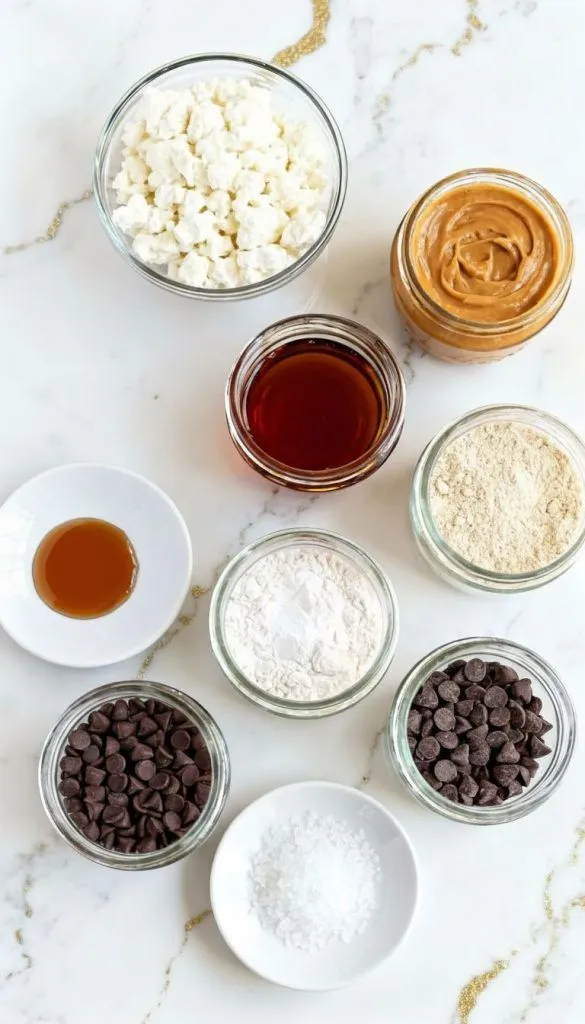
What You’ll Need
- 1 cup cottage cheese
- 2 tablespoons natural peanut butter
- 1 tablespoon maple syrup
- 2 teaspoons vanilla extract
- 1 cup almond flour
- 1/4 cup vanilla protein powder
- 1/3 cup mini chocolate chips
- 1 cup chocolate chips
- 2 teaspoons coconut oil
- Flaky sea salt, optional for garnish
Recipe At a Glance
Servings: 20 pieces
Prep time: 10 minutes
Freeze time: 2 hours
Cook time: 0 minutes
Total time: 2 hours 10 minutes
Tools You’ll Need
- Blender or food processor
- Large mixing bowl
- Measuring cups and spoons
- Silicone spatula
- Sheet pan, quarter sheet pan, or 9×13-inch pan
- Parchment paper
- Small microwave-safe bowl
- Spoon or offset spatula
- Knife for cutting, if desired
Pro Tips
- Blend the cottage cheese mixture until it looks very smooth. That’s what gives the bark a better cookie dough texture.
- If your cottage cheese seems watery, drain it a bit first or add an extra spoonful of almond flour to thicken the dough.
- Run your spatula under warm water before spreading the dough. It makes the sticky mixture much easier to smooth out.
- Mini chocolate chips work best here because they spread more evenly and are easier to bite into when frozen.
- Let the bark sit at room temperature for 2 to 3 minutes before eating if you want a slightly softer bite.
Substitutions and Variations
- Swap peanut butter with almond butter or sunflower seed butter.
- Swap maple syrup with honey if you like.
- Use oat flour instead of almond flour for a nut-free option.
- Use chocolate protein powder for a more chocolatey base.
- Add chopped walnuts, pecans, or almonds for crunch.
- Add a pinch of espresso powder for a mocha twist.
- Sprinkle flaky sea salt on top for a sweet-salty finish.
Make-Ahead Tips
This is already a great make-ahead recipe because it lives in the freezer. Make a batch, break it into pieces, and keep it in a freezer-safe container for up to 3 months. Layer parchment paper between pieces so they don’t stick together. The source recipe also recommends freezer storage rather than fridge storage so the bark keeps its shape.
Why This Recipe Works (Quick Science)
Cottage cheese brings protein and moisture, but when you blend it, it loses that curdy texture and becomes smooth. Peanut butter adds fat, which helps keep the bark from freezing rock-hard. Almond flour thickens the mixture and gives it that soft cookie dough feel. Protein powder helps absorb moisture and adds structure. Coconut oil in the chocolate topping keeps the melted chocolate smoother and easier to spread, and it helps the top set with a nice snap once frozen. That same balance of protein, fat, and dry ingredients is why the bark feels creamy instead of icy. The inspiration recipe uses these same building blocks for texture and structure.
Common Mistakes
- Not blending the cottage cheese enough. If it stays lumpy, the bark won’t have that smooth cookie dough texture.
- Using very watery cottage cheese. Too much liquid can make the base too soft.
- Skipping parchment paper. The bark can stick badly without it.
- Making the layer too thin. A little thickness gives you a better cookie dough bite.
- Overheating the chocolate. Melt it in short bursts and stir often so it stays smooth.
- Storing it in the fridge instead of the freezer. It gets too soft and loses the bark texture.
What to Serve With
This bark is great on its own, but it’s also good with:
- Fresh strawberries or raspberries
- A hot coffee or iced latte
- A glass of milk or almond milk
- Greek yogurt and berries for a bigger snack plate
- Banana slices for an extra filling treat
Macros Information
Per piece, based on 20 pieces from the source recipe:
- Calories: 124
- Protein: 4g
- Carbohydrates: 11g
- Fat: 7g
- Fiber: 1g
- Sugar: 9g
These nutrition numbers come from the inspiration recipe and are estimates that can change based on brands and portion size.
How to Make Cottage Cheese Protein Cookie Dough Bark
Step 1: Blend the wet ingredients
In a blender or food processor, add 1 cup cottage cheese, 2 tablespoons natural peanut butter, 1 tablespoon maple syrup, and 2 teaspoons vanilla extract. Blend until the mixture is completely smooth and creamy. Stop once or twice to scrape down the sides so everything gets blended evenly. This smooth base is what helps the bark taste more like dessert and less like cottage cheese.
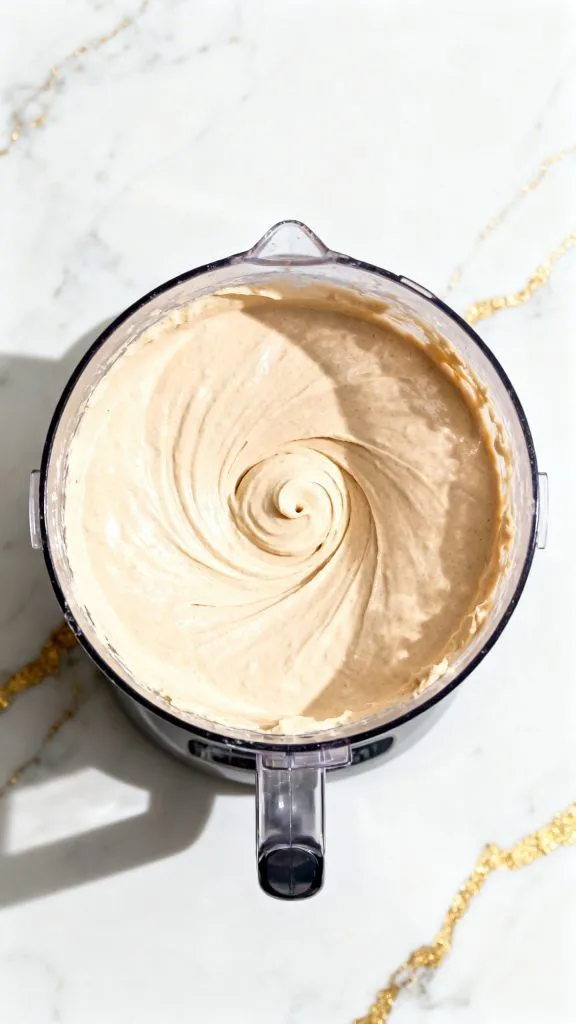
Step 2: Make the cookie dough base
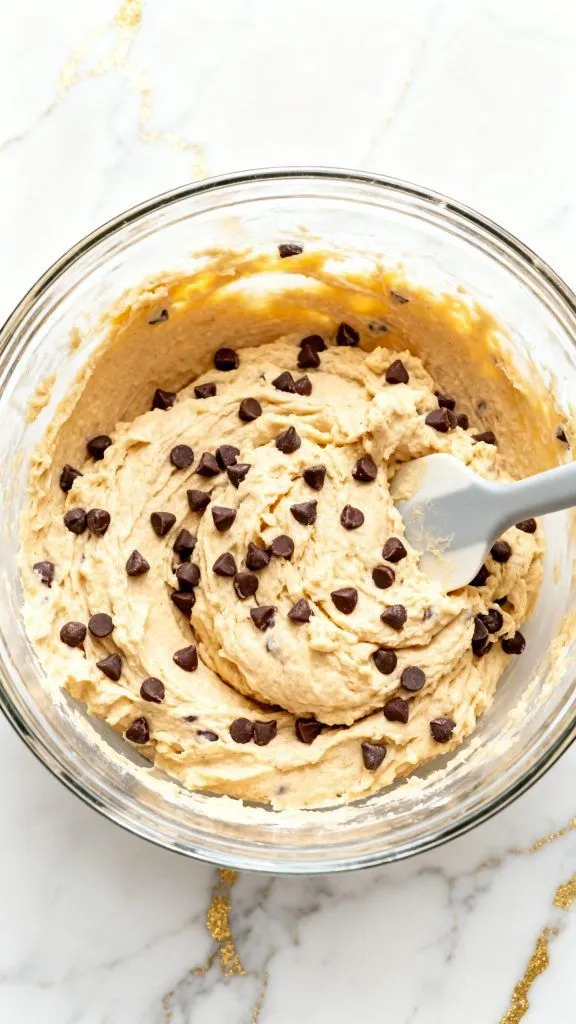
Pour the smooth cottage cheese mixture into a large mixing bowl. Add 1 cup almond flour and 1/4 cup vanilla protein powder. Stir until fully combined. Then fold in 1/3 cup mini chocolate chips. The mixture should look like thick, sticky cookie dough. If it seems too loose, add 1 more tablespoon almond flour.
Step 3: Spread the dough
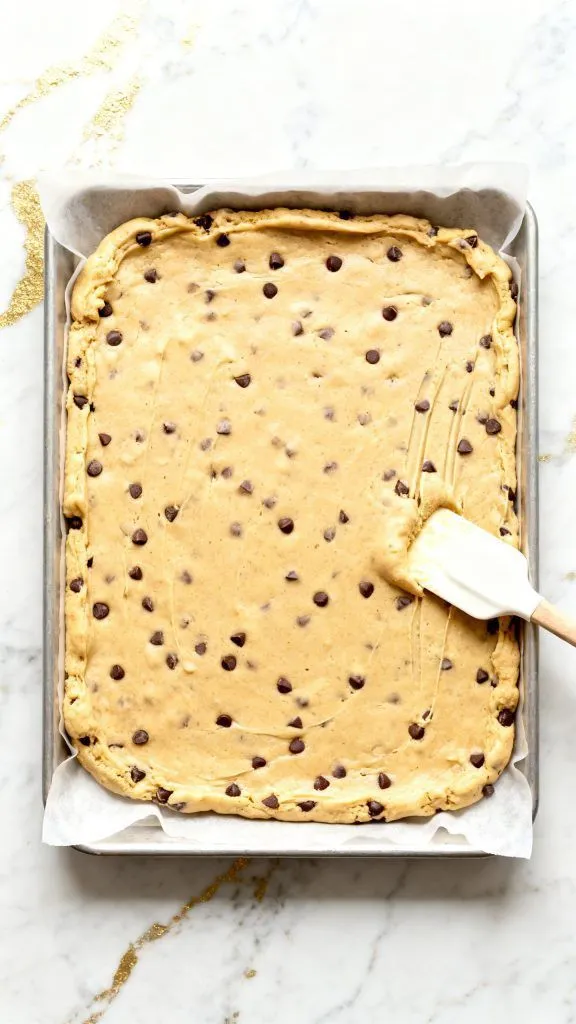
Line a sheet pan or 9×13-inch pan with parchment paper. Scoop the cookie dough mixture onto the parchment and spread it into an even layer with a silicone spatula. Keep the thickness fairly even so the bark freezes and breaks nicely. If the dough sticks to the spatula, run the spatula under warm water first.
Step 4: Melt the chocolate topping
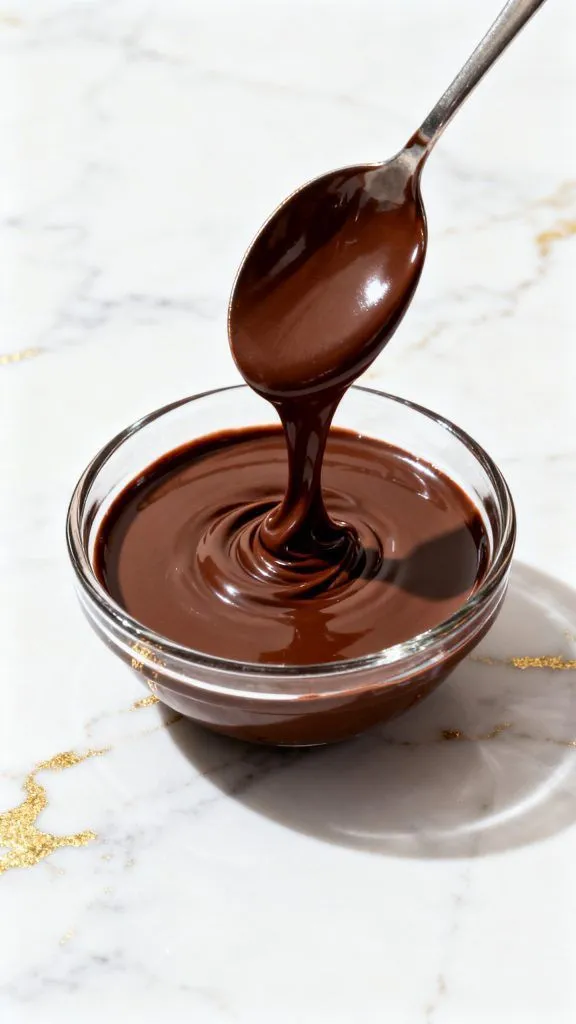
In a small microwave-safe bowl, combine 1 cup chocolate chips and 2 teaspoons coconut oil. Microwave in 30-second bursts, stirring after each one, until the chocolate is melted and smooth. This usually takes about 1 1/2 minutes total. The mixture should look shiny and pourable.
Step 5: Top the bark
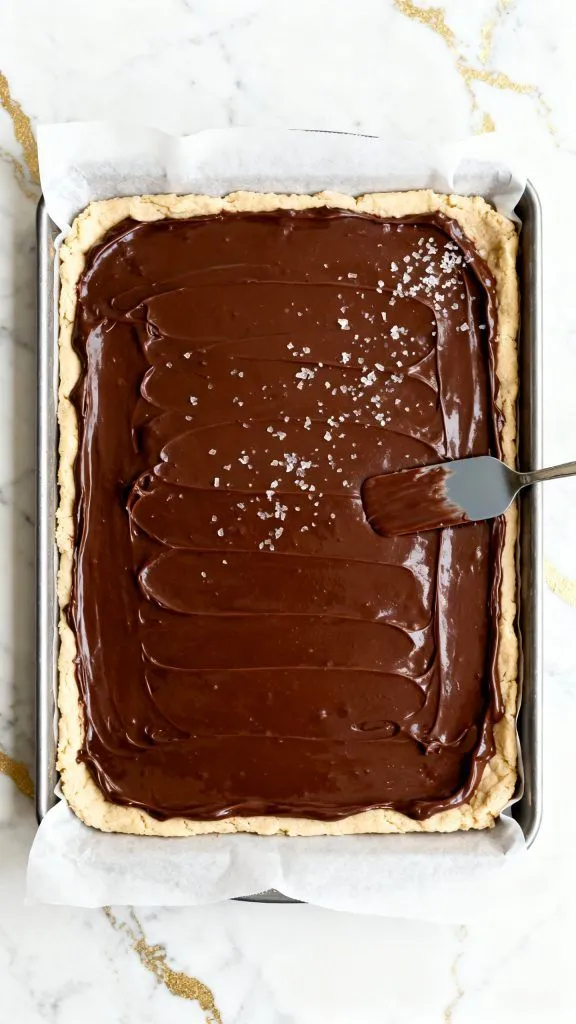
Pour the melted chocolate over the cookie dough layer. Spread it into an even top layer with the back of a spoon or a small offset spatula. If you want, sprinkle on a pinch of flaky sea salt while the chocolate is still soft.
Step 6: Freeze until firm
Transfer the pan to the freezer and freeze for at least 2 hours, or until the bark is fully firm. Once frozen, lift it out using the parchment paper and break or cut it into 20 pieces. Serve straight from the freezer or let it sit for a minute or two before eating.
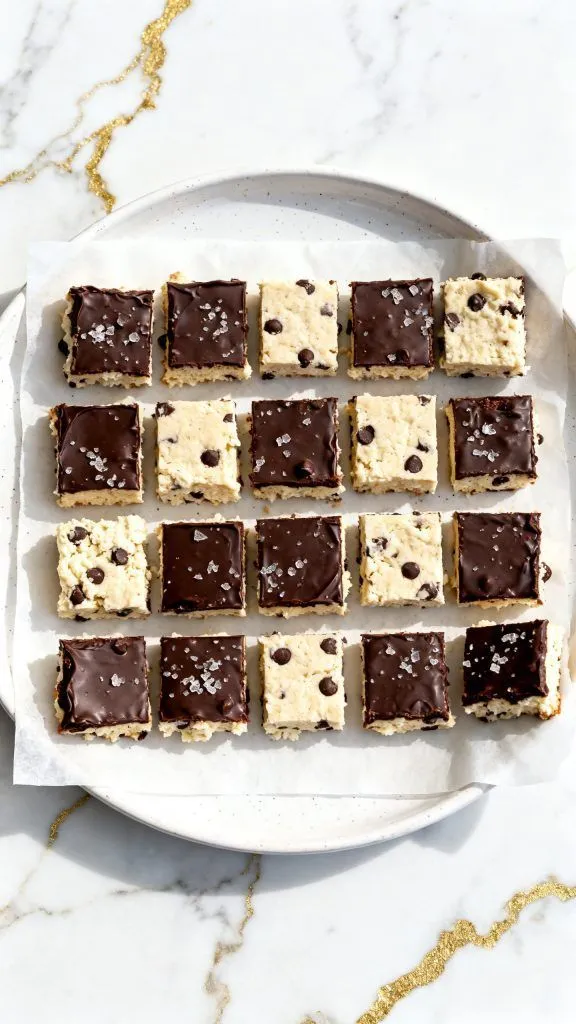
Leftovers and Storage
Store the bark pieces in an airtight freezer-safe container for up to 3 months. Put parchment paper between layers so they don’t freeze together. Don’t keep it in the fridge because it gets too soft and won’t hold that bark texture well. That freezer storage guidance matches the source recipe.
FAQ
Can you taste the cottage cheese?
Not much. Once it’s blended with peanut butter, maple syrup, and vanilla, the flavor gets mellow and creamy.
Do I have to use protein powder?
For the best texture, yes. It helps the mixture feel more like cookie dough and adds extra protein. The source recipe also notes that the bark falls a little short without it.
Can I use oat flour instead of almond flour?
Yes. Use the same amount of oat flour as a swap.
Can I eat the mixture before freezing it?
Yes. It works as an edible cookie dough too. The inspiration recipe says you can enjoy it as is if you don’t want to freeze it.
Can I make it thicker?
Yes. Spread it in a smaller pan, like a 9×9-inch pan, for thicker bark pieces.
Can I bake this into cookies?
No, this recipe is meant to be eaten as a no-bake treat, not baked cookies. The source recipe says it would need more work to bake properly.
Final Thoughts
This recipe is proof that a simple freezer treat can still feel fun and a little special. It’s easy to make, easy to stash away, and really nice when you want a sweet bite without a lot of work. Make a batch, keep it in the freezer, and grab a piece whenever you need it. And when you try it, leave a comment and share how it turned out or what twist you added.