
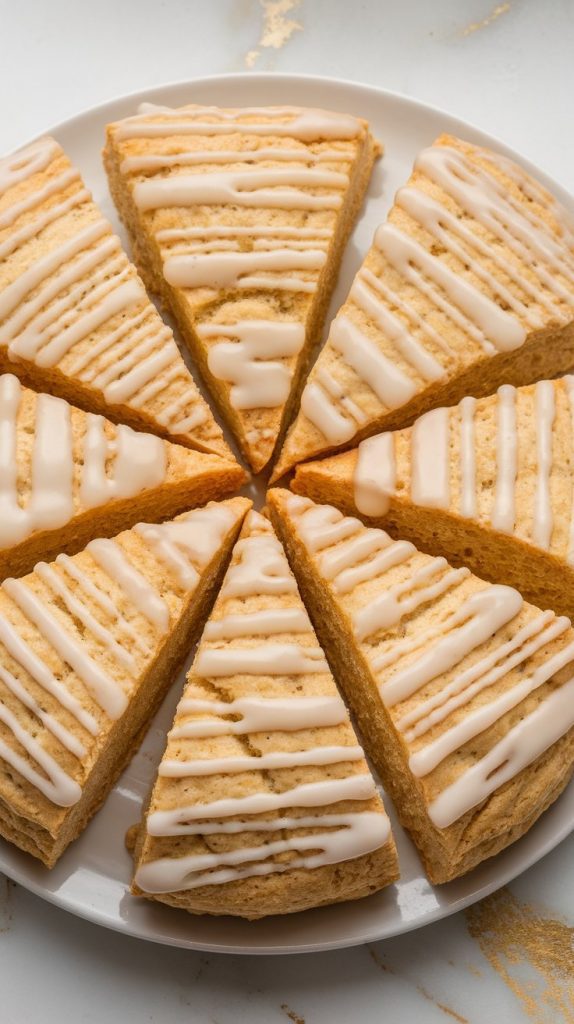
You know when the holidays hit and everything starts to smell like cinnamon, vanilla, and all things cozy? That’s when I start craving these eggnog scones.
They’re flaky, lightly sweet, with a warm spice that feels like Christmas morning in every bite.
I’ve been making these every December for years—usually with a leftover carton of eggnog that didn’t make it into the punch.
These are perfect for a brunch table, gifting to friends, or just having with a hot coffee while watching the snow (or rain—depending where you are).

Why I Love This Recipe
These scones bring back so many memories of winter mornings. I first made them to use up leftover eggnog after a Christmas party—and now they’ve become tradition.
- They’re buttery, flaky, and have just the right amount of sweetness
- Eggnog adds richness and holiday flavor without being overpowering
- Perfect way to use up a half carton of eggnog
- No fancy tools needed—just a bowl, a whisk, and your hands
- They freeze beautifully, so you can make them ahead
Makes: 8 scones
Prep Time: 15 minutes
Bake Time: 18–22 minutes
Total Time: 35 minutes
What You’ll Need
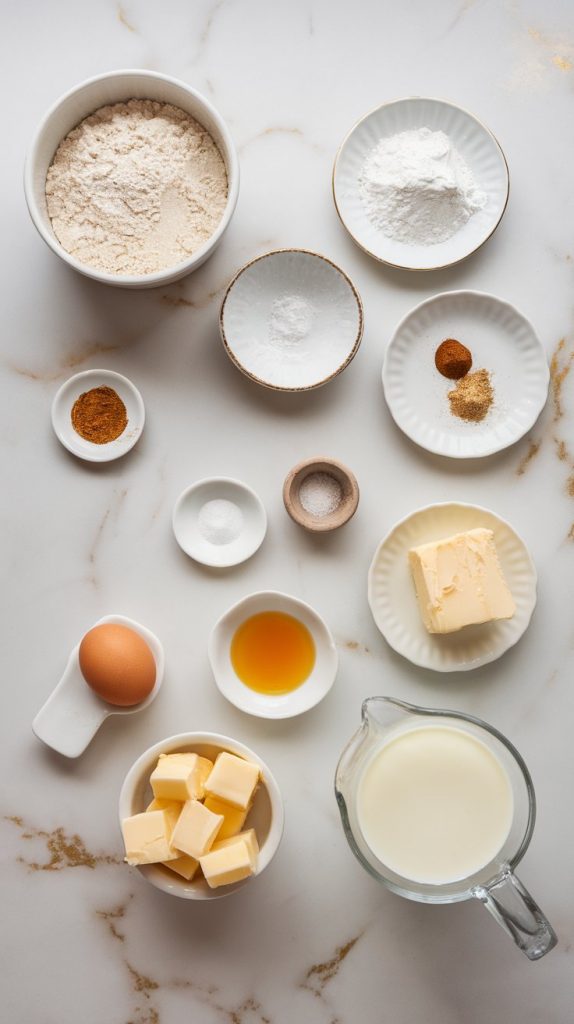
- 2 cups all-purpose flour
- 1 tbsp baking powder
- ¼ tsp salt
- ½ tsp ground nutmeg
- ½ tsp ground cinnamon
- ⅓ cup granulated sugar
- ½ cup cold unsalted butter, diced
- 1 egg
- ½ cup eggnog (plus more for brushing)
- 1 tsp vanilla extract
For the glaze:
- ½ cup powdered sugar
- 1–2 tbsp eggnog
- Pinch of nutmeg for garnish
Pro Tips
- Use really cold butter—don’t skip this! It helps make the scones flaky.
- Don’t overmix once you add the wet ingredients. Mix just until it comes together.
- If you don’t have a pastry cutter, two butter knives or your fingers work just fine.
- Chill the dough for 10 minutes in the fridge before baking if your kitchen is warm.
- Brushing the tops with eggnog before baking gives a nice golden finish.
Tools You’ll Need
- Mixing bowls
- Pastry cutter or fork
- Measuring cups and spoons
- Whisk
- Baking sheet
- Parchment paper
- Cooling rack
Substitutions and Variations
- No eggnog? Use half-and-half with a pinch of nutmeg and a splash of vanilla.
- Want more texture? Add ½ cup chopped pecans or dried cranberries.
- Spicier? Increase cinnamon or add a pinch of clove or ginger.
- Dairy-free? Use dairy-free eggnog and vegan butter.
Make Ahead Tips
- Mix the dry ingredients and cut in the butter, then refrigerate. When ready, just add wet ingredients and bake.
- You can freeze the cut scone dough and bake from frozen—just add 2–3 minutes to the bake time.
How to Make Eggnog Scones
Step 1: Mix dry ingredients
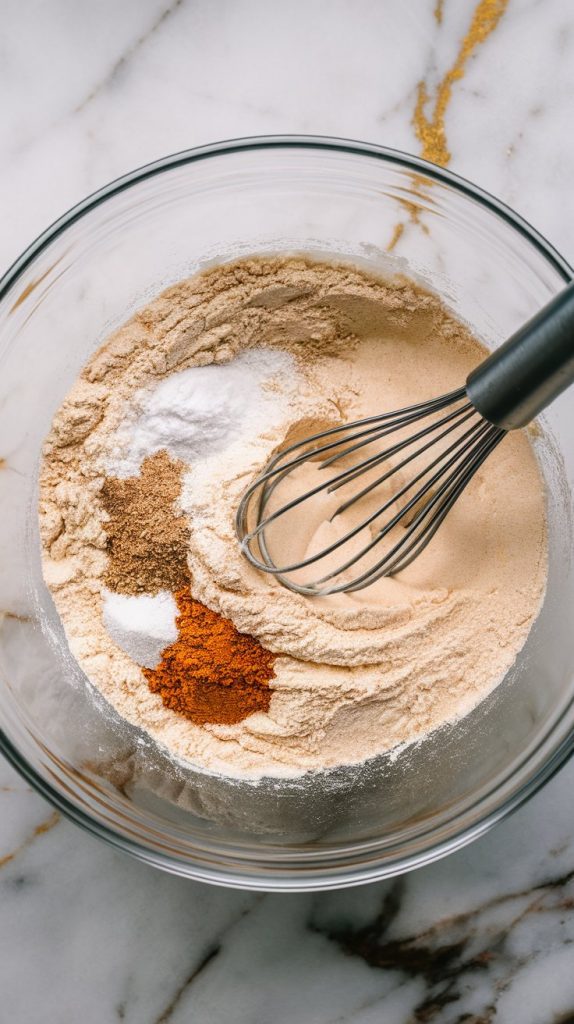
In a large mixing bowl, whisk together 2 cups all-purpose flour, 1 tbsp baking powder, ¼ tsp salt, ½ tsp ground nutmeg, ½ tsp ground cinnamon, and ⅓ cup granulated sugar.
Step 2: Cut in cold butter
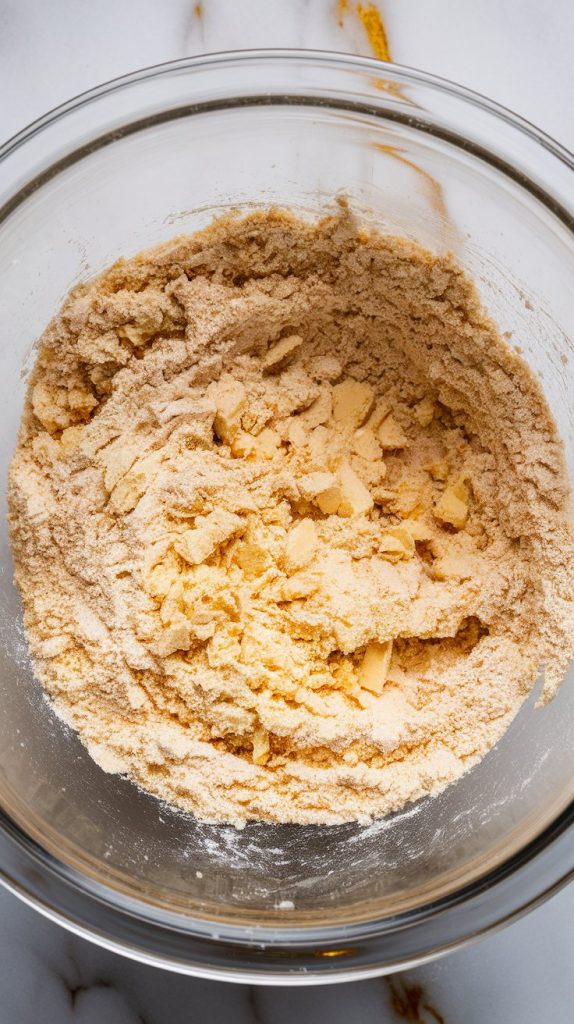
Add ½ cup cold unsalted butter (diced) to the flour mixture. Use a pastry cutter or your fingers to work the butter in until it looks like coarse crumbs.
Step 3: Add wet ingredients
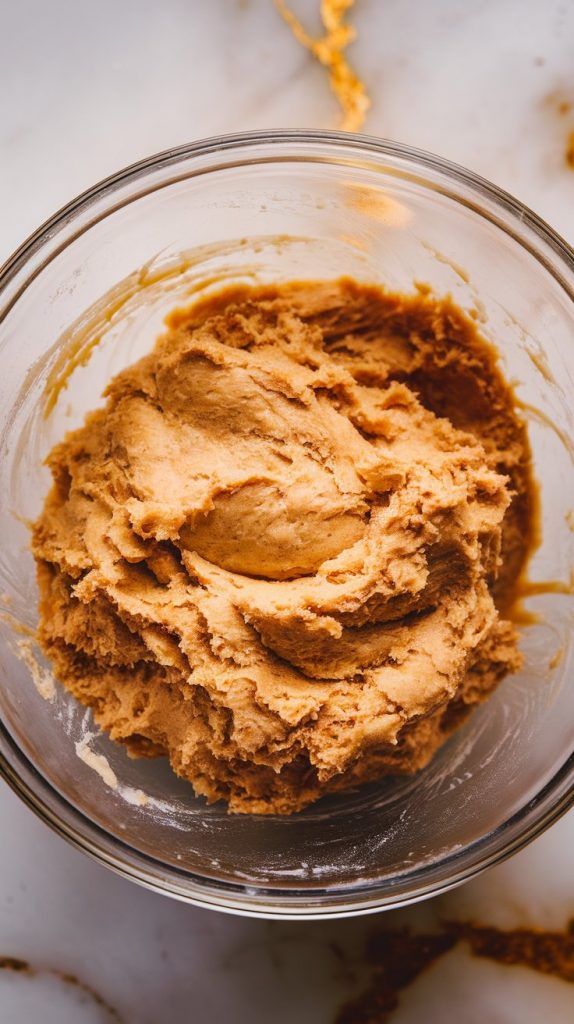
In a small bowl, whisk 1 egg, ½ cup eggnog, and 1 tsp vanilla extract. Pour it into the dry mixture and stir gently until just combined. The dough will be slightly sticky.
Step 4: Shape the dough
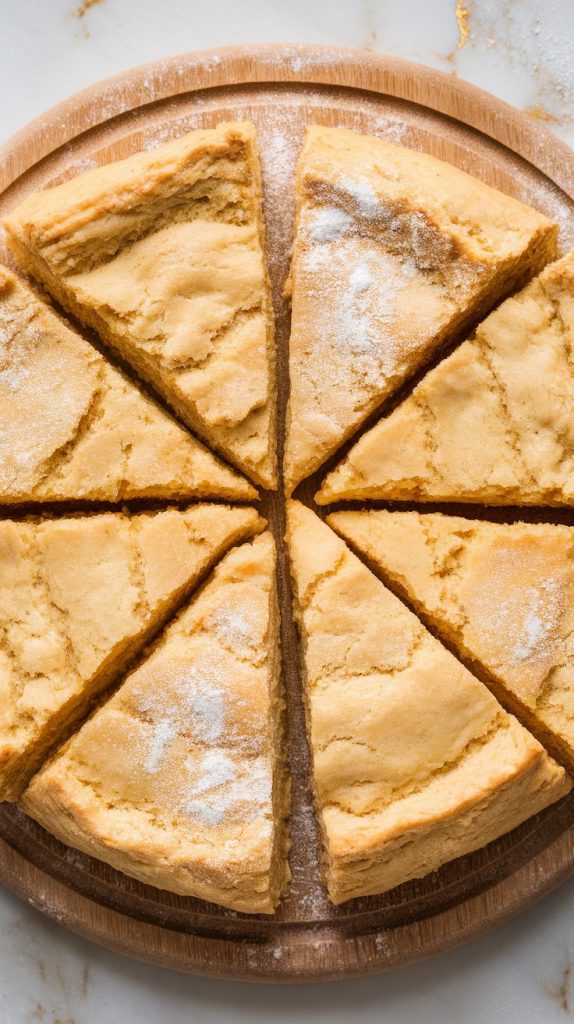
Turn the dough out onto a lightly floured surface. Gently press into an 8-inch circle about 1-inch thick. Cut into 8 wedges.
Step 5: Bake
Transfer wedges to a parchment-lined baking sheet, spacing them slightly. Brush tops with extra eggnog. Bake at 400°F (204°C) for 18–22 minutes until golden brown on the edges.
Step 6: Cool and glaze
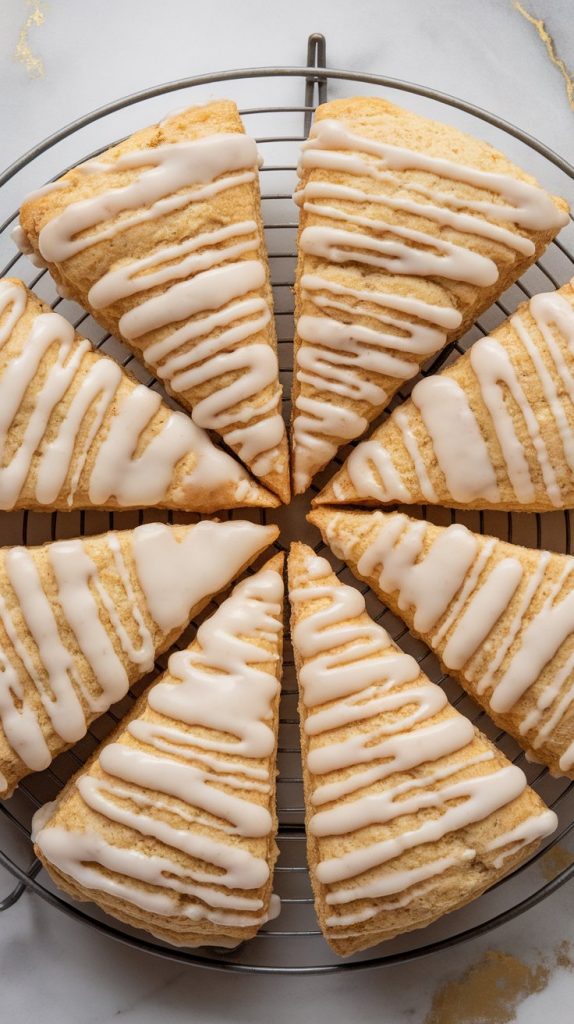
Let scones cool on a wire rack. In a small bowl, whisk ½ cup powdered sugar with 1–2 tbsp eggnog until smooth. Drizzle over scones and sprinkle with a pinch of nutmeg.
Step 7: Serve
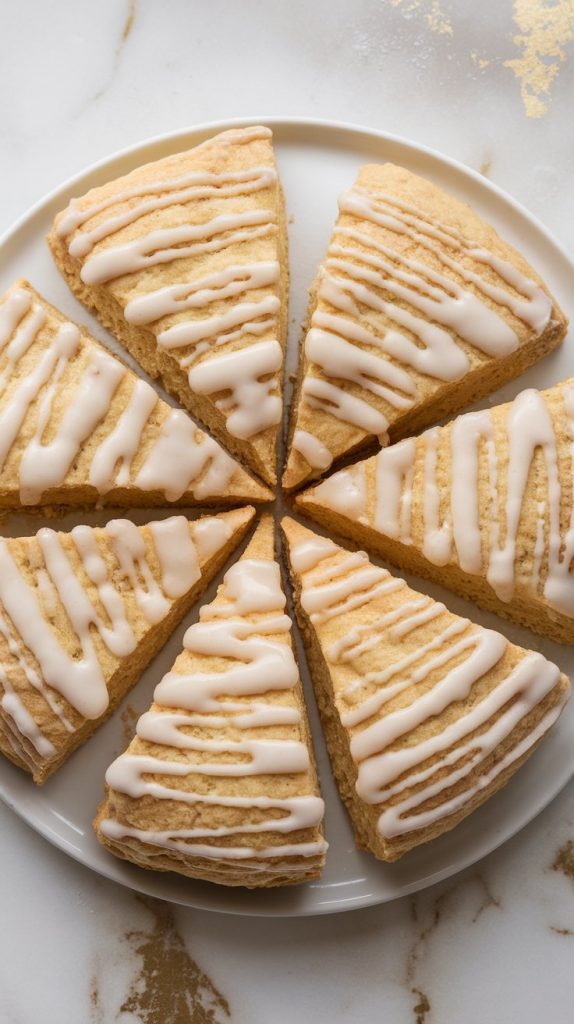
Place scones on a serving plate and enjoy warm or room temp. The inside should be tender and lightly spiced, with a sweet glaze on top.
Leftovers and Storage
- Store leftover scones in an airtight container at room temp for up to 2 days
- For longer storage, freeze scones without glaze for up to 1 month
- Reheat in the oven at 325°F for 5–7 minutes
Why This Recipe Works (Quick Science)
Eggnog has fat and sugar, which adds richness and moisture to the dough. Cold butter creates steam pockets when baked, making the scones flaky. The acid in eggnog (from nutmeg and dairy) activates baking powder for rise. Resting the dough briefly before baking keeps them from spreading too much.
Common Mistakes
- Using warm butter: This melts into the flour instead of creating flaky layers.
- Overmixing the dough: Makes the scones tough instead of tender.
- Not spacing scones: They need room to expand while baking.
- Skipping the eggnog brush: It helps the tops brown nicely.
What to Serve With
- Fresh fruit or a fruit salad
- Hot coffee or chai latte
- Scrambled eggs or an egg casserole
- Vanilla yogurt with cinnamon
FAQ
Can I make these without eggnog?
Yes, use cream or half-and-half with a pinch of nutmeg and vanilla.
Do I need to chill the dough?
Not always, but it helps especially if your kitchen is warm.
Can I freeze them?
Absolutely. Freeze baked or unbaked scones, and reheat before serving.
Do I need to glaze them?
Nope! They’re great plain or with a little butter or jam.
Now You Try
I hope you love these eggnog scones as much as I do. They’re cozy, festive, and seriously simple to make. If you give them a try, leave a comment and let me know how they turned out—or if you have any questions!