
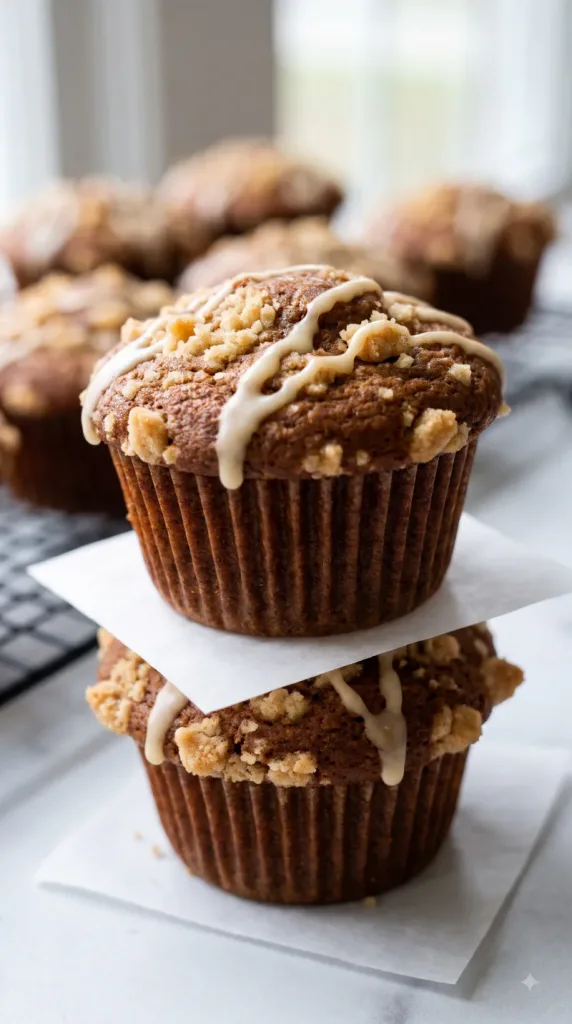
Gingerbread Muffins bring deep molasses flavor, warm spice, and a buttery crumb topping to a simple bake. The centers stay soft while the streusel adds a gentle crunch. You only need mixing bowls and a spoon to bring the batter together. Serve them just as they are for a cozy breakfast or a sweet afternoon treat.

Why I Love This Recipe
The charm is in that soft center and crisp little crumbs on top. Molasses gives these muffins their rich flavor without a long list of extras, and the batter comes together without a mixer.
- Warm spice: Ginger leads, with cinnamon and a small pinch of cloves behind it.
- Two textures: Tender cake meets a sandy, buttery topping.
- Simple mixing: Melted butter keeps the method easy.
- Easy portions: A standard muffin pan makes a dozen individual treats.
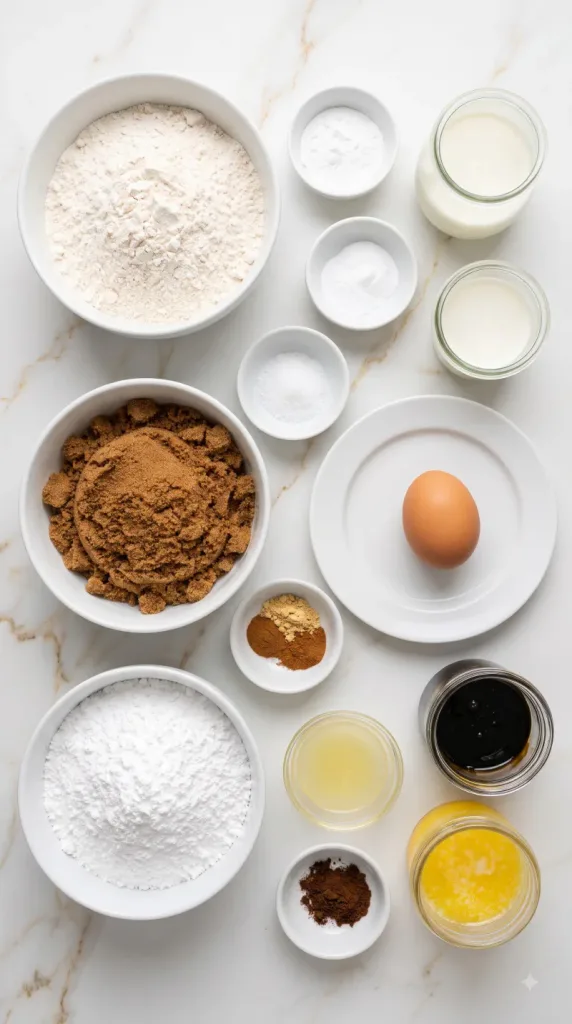
What You’ll Need
- Servings: 12 muffins; 1 muffin per serving
- Prep Time: 20 minutes
- Cook Time: 23 minutes, with a checking range of 20–23 minutes
- Cooling Time: 15 minutes
- Total Time: 58 minutes
- Oven: 425°F (220°C), then 350°F (175°C), conventional oven
- Pan: Standard 12-cup muffin pan, about 13 by 10 inches, with tulip parchment liners
For the muffins
- 2 cups (250 g) all-purpose flour, spooned and leveled
- 1/2 cup (100 g) packed dark brown sugar
- 1 teaspoon baking powder
- 1/2 teaspoon baking soda
- 1/2 teaspoon fine salt
- 2 teaspoons ground ginger
- 1 1/2 teaspoons ground cinnamon
- 1/4 teaspoon ground cloves
- 1 large egg, at room temperature
- 3/4 cup (180 ml) whole milk, at room temperature
- 1/2 cup (170 g) unsulphured molasses, not blackstrap
- 6 tablespoons (85 g) unsalted butter, melted and cooled until lukewarm
For the streusel
- 1/2 cup (60 g) all-purpose flour
- 1/4 cup (50 g) packed dark brown sugar
- 1/2 teaspoon ground cinnamon
- 3 tablespoons (42 g) unsalted butter, melted
For the lemon glaze
- 1 cup (120 g) powdered sugar, sifted
- 1 1/2 to 2 tablespoons (22–30 ml) fresh lemon juice
Tools You Need
- Standard 12-cup aluminum muffin pan
- Tulip parchment muffin liners
- Large, medium, and small mixing bowls
- Whisk and flexible spatula
- Measuring cups and spoons or a kitchen scale
- Spoon or portion scoop
- Wire cooling rack
- Toothpick
How to Make Gingerbread Muffins
Make the topping first so the mixed batter can go straight into the oven.
Step 1: Make the Streusel
Heat the oven to 425°F (220°C) and place a rack in the center.
Line a standard 12-cup muffin pan with 12 tulip parchment liners.
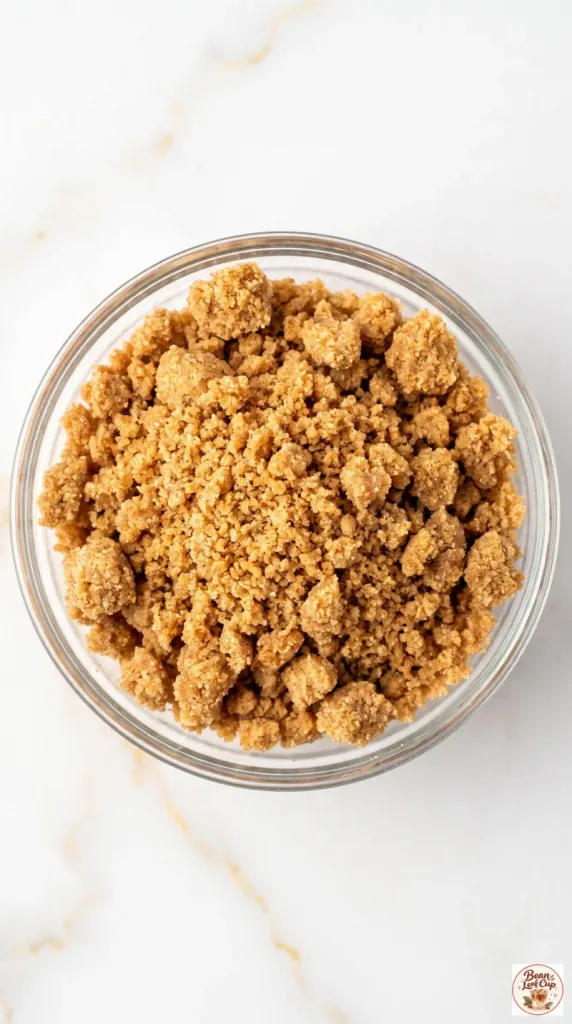
Stir 1/2 cup (60 g) flour, 1/4 cup (50 g) dark brown sugar, and 1/2 teaspoon cinnamon in a small bowl.
Add 3 tablespoons (42 g) melted butter and stir until small crumbs form. Let the topping stand while you make the batter.
Step 2: Combine the Dry Ingredients
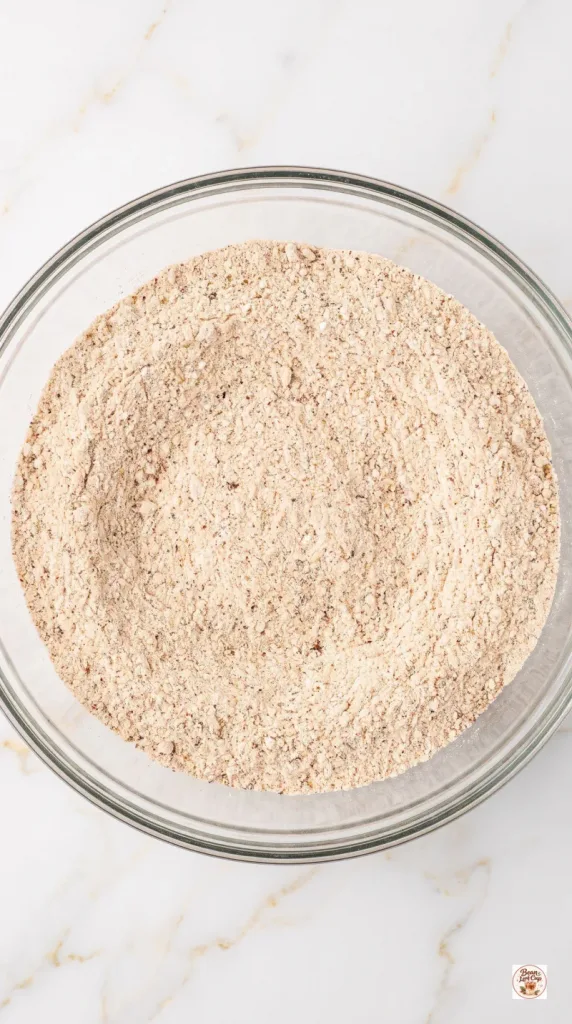
Whisk 2 cups (250 g) flour, 1/2 cup (100 g) dark brown sugar, 1 teaspoon baking powder, 1/2 teaspoon baking soda, 1/2 teaspoon salt, 2 teaspoons ginger, 1 1/2 teaspoons cinnamon, and 1/4 teaspoon cloves in a large bowl.
Break apart any brown sugar lumps so the mixture is even.
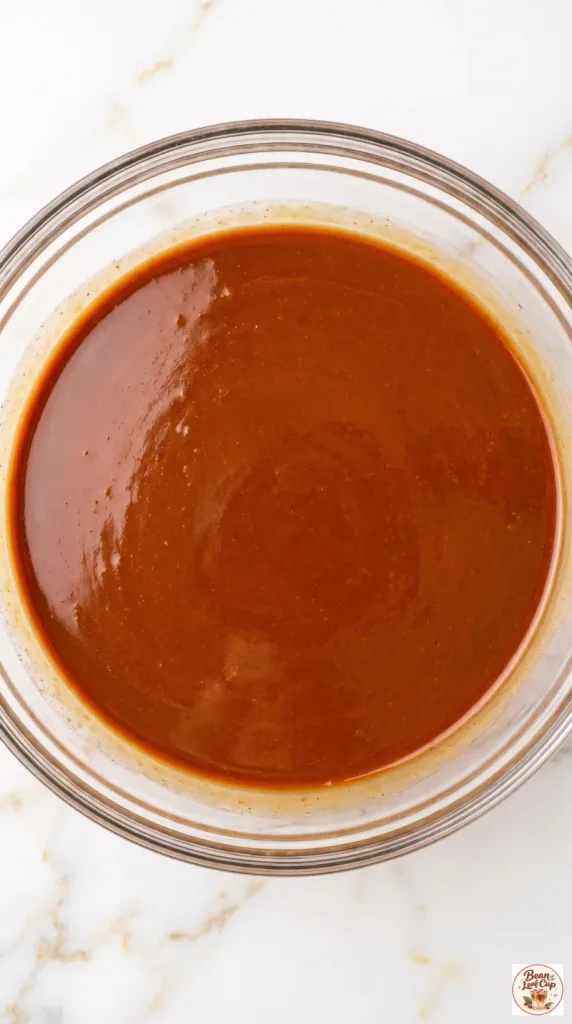
Step 3: Combine the Wet Ingredients
Whisk 1 large egg, 3/4 cup (180 ml) milk, 1/2 cup (170 g) molasses, and 6 tablespoons (85 g) melted, cooled butter in a medium bowl.
Mix until the molasses is fully blended and no butter streaks remain.
Step 4: Fold the Batter
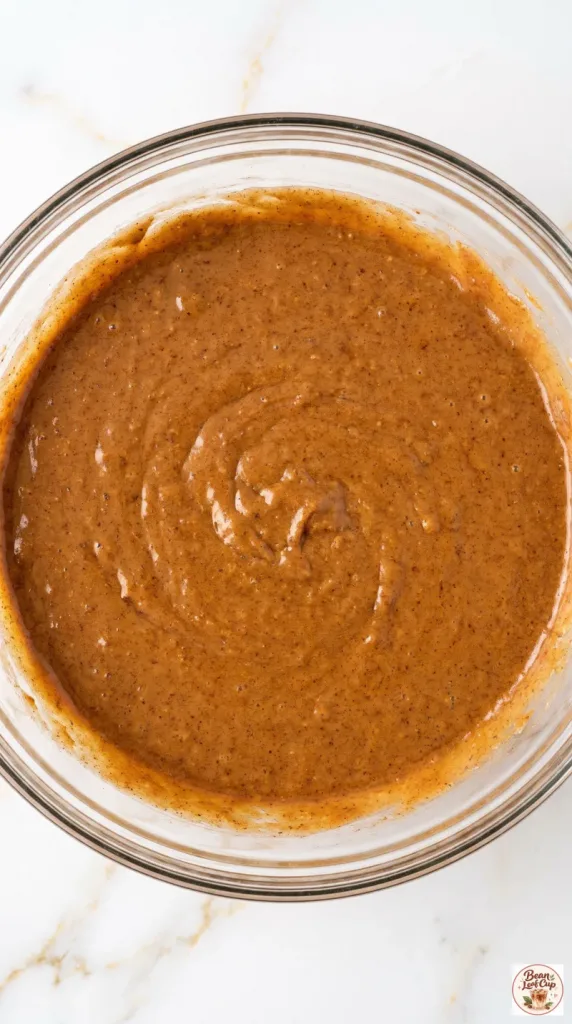
Pour the entire wet mixture into the large bowl of dry ingredients.
Fold gently with a spatula, scraping the bottom, just until no dry flour remains. Small lumps are fine; stop before the batter turns smooth and stretchy.
Step 5: Fill and Top
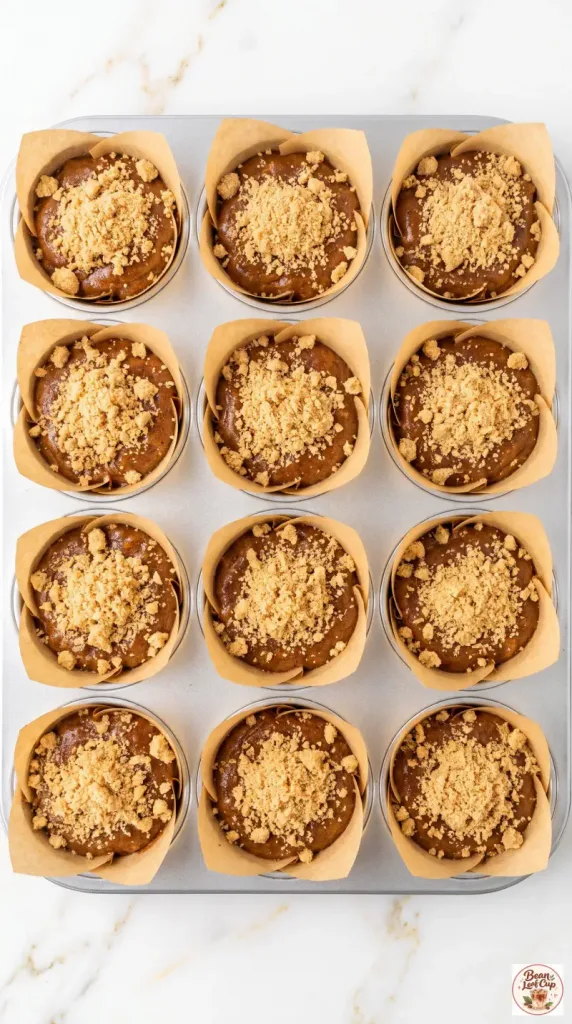
Divide all the batter evenly among the 12 lined cups, filling each about three-quarters full beneath the raised parchment points.
Divide all the prepared streusel across the 12 muffins, leaving a little batter visible between the crumbs. Press very lightly so the crumbs sit in place.
Step 6: Bake the Muffins
Bake at 425°F (220°C) for 5 minutes.
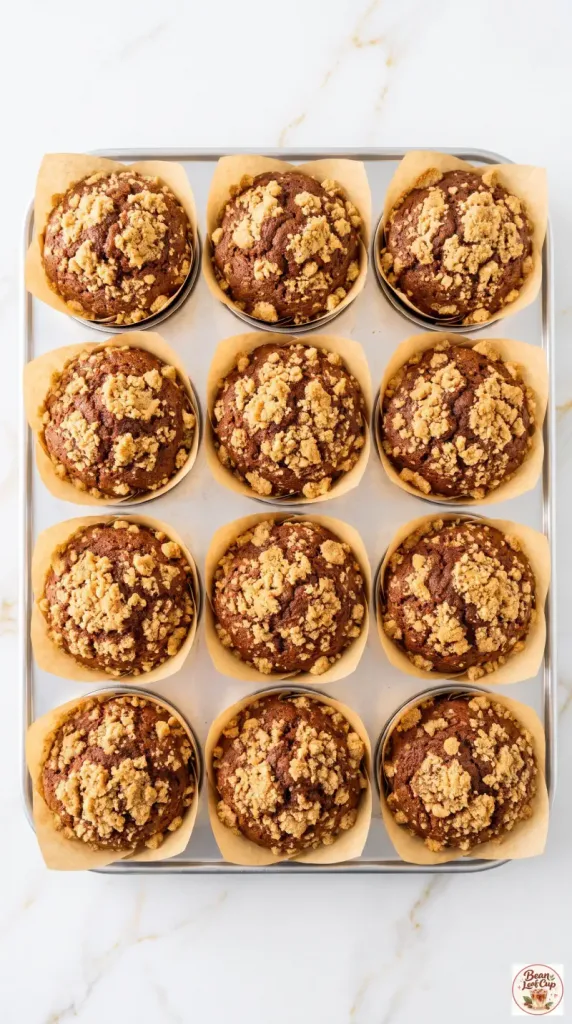
Keep the pan in the oven and reduce the temperature to 350°F (175°C). Bake for 15–18 minutes more, until the tops spring back gently and a toothpick through the cake comes out without wet batter. A few moist crumbs are fine.
Set the pan on a heat-safe surface and let the muffins rest in it for 5 minutes.
Step 7 — Make the Lemon Glaze
Transfer the muffins to a wire rack and let them cool completely.
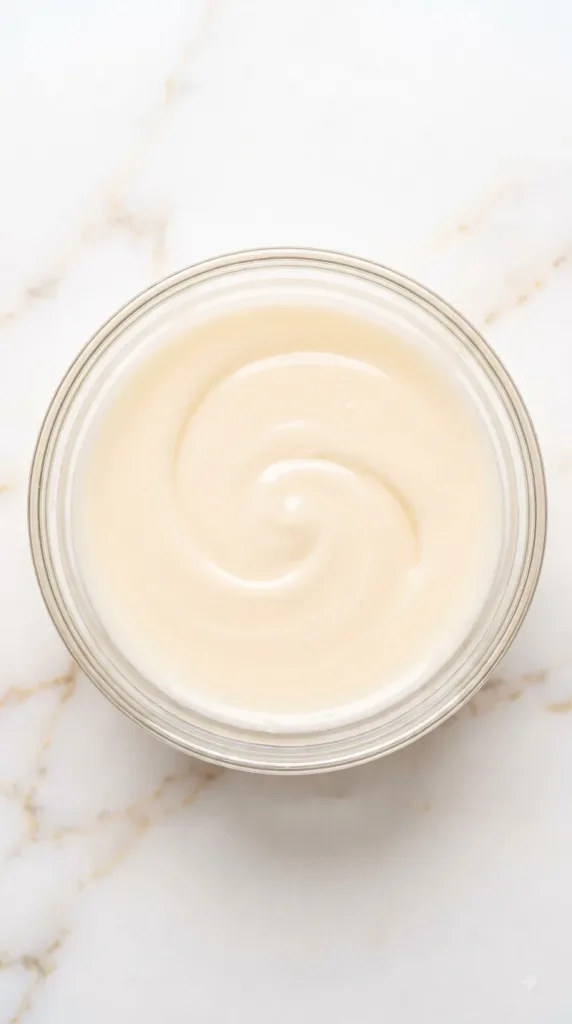
Whisk 1 cup (120 g) sifted powdered sugar with 1 1/2 tablespoons (22 ml) fresh lemon juice until smooth. If the glaze is too thick to drizzle, whisk in more lemon juice 1/2 teaspoon at a time, using up to 2 tablespoons (30 ml) total. The glaze should fall from a spoon in a thin, steady ribbon.
Step 8: Cool and Serve
After the muffins have rested in the pan for 5 minutes, transfer them to a wire rack and let them cool completely.
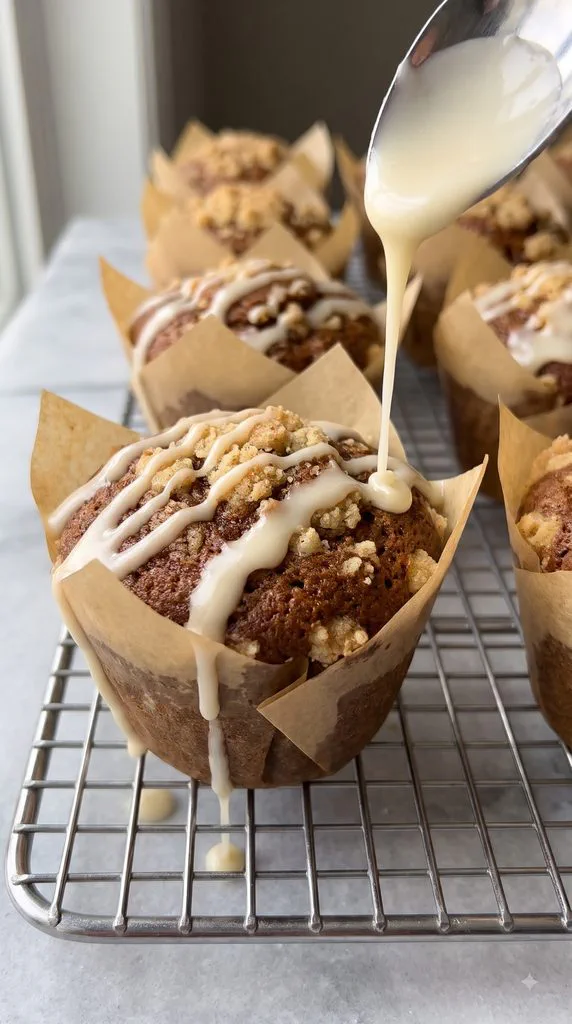
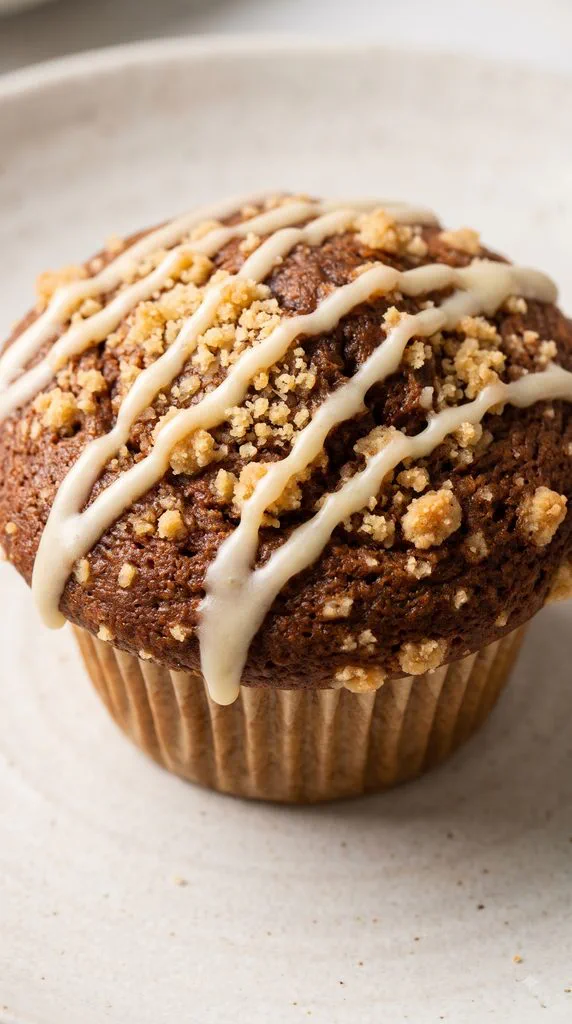
Use a spoon to drizzle the lemon glaze in thin ribbons over all 12 muffins, leaving some of the streusel visible between the lines.
Let the glaze set for 10–15 minutes. Unfold the parchment around each muffin and serve at room temperature.
Why This Recipe Works (Quick Science)
Molasses gives the crumb its deep color and helps it hold moisture. Baking soda reacts with acidic ingredients, while baking powder supplies additional lift. A brief start in a hotter oven helps the batter rise before the gentler heat finishes the centers.
Flour builds structure as it hydrates. Folding only until it disappears limits gluten development, which helps the muffins stay tender. In the topping, butter binds small clumps of flour and sugar that dry into crisp crumbs as they bake.
Common Mistakes to Avoid
- Packing the flour: Too much makes a dry, heavy muffin. Weigh it or spoon it gently into the cup and level it.
- Using blackstrap molasses: Its strong bitterness can overwhelm this sweet bake.
- Beating the finished batter: Vigorous stirring can make the crumb tough.
- Forgetting the oven change: Set a timer for the first stage so the tops do not overbrown.
- Checking only the topping: Test through the cake, since a loose streusel crumb does not tell you whether the center is done.
- Sealing warm muffins: Trapped moisture softens the topping and makes the liners damp.
Pro Tips
Use milk and egg that have lost their refrigerator chill. Very cold ingredients can make melted butter firm into little pieces before it blends.
Keep the streusel crumbly rather than kneading it into a paste. If it seems soft just after mixing, let it stand briefly before breaking it apart.
Substitutions and Variations
Light brown sugar can replace the dark brown sugar in equal amounts. The molasses note will be a little milder.
Unsweetened dairy-free milk can replace the whole milk in equal volume. Keep the butter as written unless you also need a separate dairy-free adaptation.
For a gentler spice flavor, reduce the cloves to a small pinch. Do not replace the molasses with honey or syrup and expect the same crumb or flavor.
Leftovers and Storage
Keep completely cooled muffins in an airtight container at room temperature for up to 2 days. Put a paper towel underneath to absorb stray moisture.
For longer storage, wrap cooled muffins individually and freeze in a sealed freezer bag for up to 3 months. Thaw wrapped at room temperature, then unwrap. The streusel may soften after freezing.
To refresh a thawed muffin, remove its paper and warm it in a 300°F (150°C) oven for 5–8 minutes.
Macros Information
Estimated per muffin, including streusel, based on 12 servings. Values vary with ingredient brands and portion sizes.
- Calories: 280 kcal
- Protein: 4 g
- Carbohydrates: 44 g
- Fat: 10 g
- Saturated Fat: 6 g
- Fiber: 1 g
- Sugar: 24 g
- Sodium: 200 mg
Frequently Asked Questions (FAQ)
Q: What kind of molasses should I buy?
A: Choose unsulphured baking molasses labeled mild, original, or dark. Avoid blackstrap for this recipe.
Q: Can I use regular paper liners?
A: Yes. Use standard muffin liners and divide the batter evenly. Leave room for the topping and avoid overfilling shallow cups.
Q: Why did my muffins come out dense?
A: Extra flour, old leavening, and overmixing are common causes. Measure carefully and stop folding as soon as dry patches disappear.
Q: Can I mix the batter the night before?
A: It is better to bake it right after mixing. You can combine the dry ingredients ahead and keep the wet ingredients separate until baking time.
Q: Can I leave off the streusel?
A: Yes. Omit the entire topping mixture and begin checking for doneness a little early. The tops will be plain, and the nutrition estimate will change.
Q: How do I know the centers are baked?
A: Test a central muffin with a toothpick through the cake. It should show no wet batter, and the crown should spring back under a gentle touch.
Q: Why did the topping sink?
A: Very large, heavy clumps can sink into the batter. Keep the crumbs small and sprinkle them evenly without pressing hard.
Q: Can I freeze Gingerbread Muffins?
A: Yes. Cool completely, wrap separately, and freeze for up to 3 months. Thaw before unwrapping so the crumb stays moist.
Final Thoughts
Gingerbread Muffins are a simple way to bring warm spice and a little crunch to your baking day. Keep the folding gentle, watch the oven change, and give the muffins a few minutes to settle before serving. Leave a comment and share how your batch turned out. Happy cooking!